Sixth Grade Unit Rate Calculations Review Worksheets
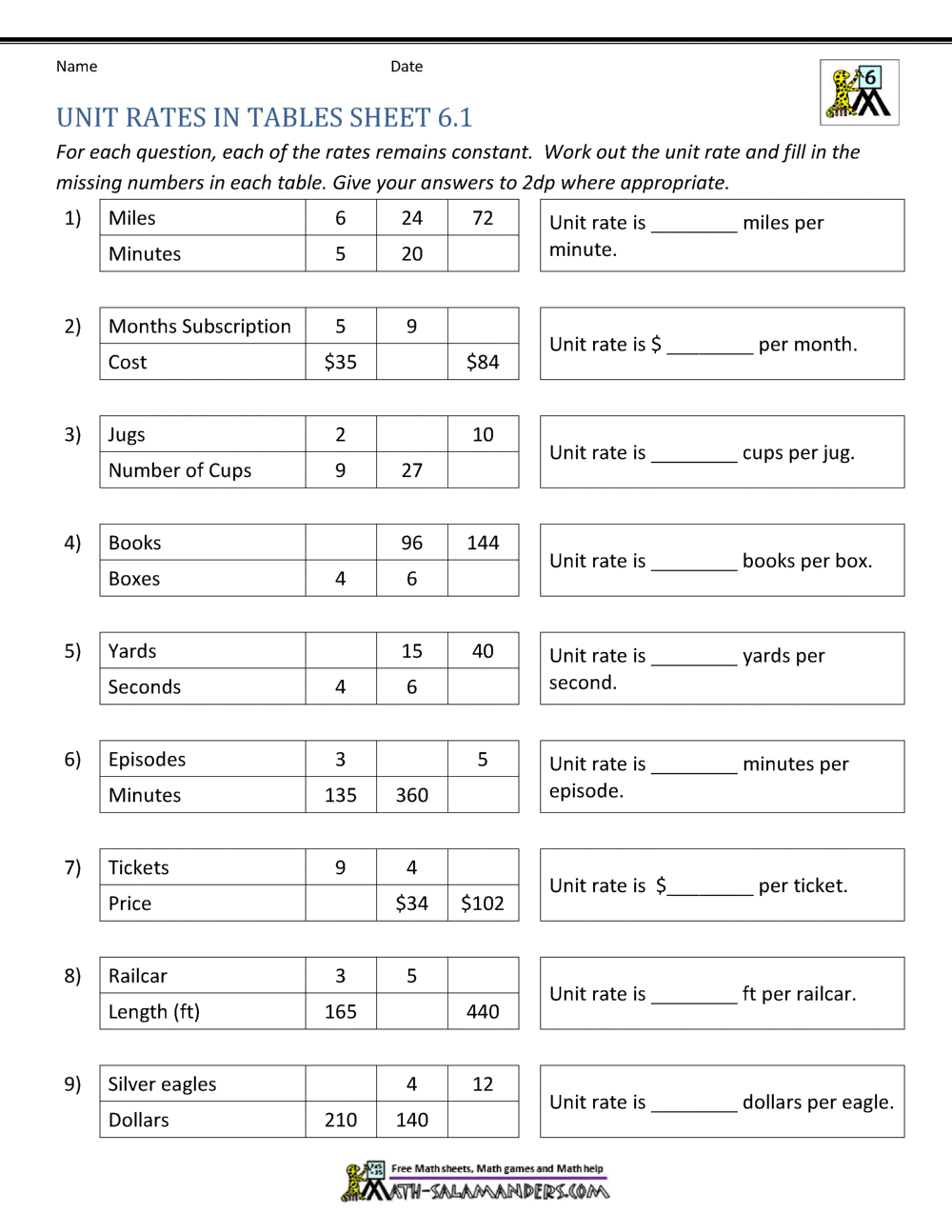
Understanding unit rates is essential for sixth-grade students as they prepare for more advanced mathematical concepts. The Sixth Grade Unit Rate Calculations Review Worksheets are designed to help students grasp this important skill through engaging exercises and practical applications. These worksheets can be utilized in classrooms as well as in homeschooling environments, making them versatile tools for educators and parents alike.
What Are Unit Rates?
Unit rates compare two different quantities, showing how much of one item you have for every one unit of another item. For example, if a car travels 300 miles on 10 gallons of gas, the unit rate is 30 miles per gallon. Understanding unit rates helps students make informed decisions in everyday situations, such as shopping, cooking, or budgeting. By reviewing unit rates, students not only enhance their mathematical skills but also develop critical thinking abilities that extend beyond the classroom.
How to Use the Worksheets Effectively
When it comes to using the Sixth Grade Unit Rate Calculations Review Worksheets, pacing and repetition are key to mastering the concept. Here’s how to make the most out of these resources:
- Distribute Over Time: Instead of completing all worksheets in one sitting, spread them throughout the week. This approach allows students to absorb the material better and reinforces their learning. For instance, you might assign one worksheet every other day, allowing time for review and discussion.
- Track Progress: Use the worksheets to monitor each student’s understanding of unit rates. You can create a simple progress chart to note which students excel and which may need additional help. This targeted approach allows for more personalized instruction.
- Incorporate Real-Life Examples: Encourage students to find real-life scenarios where they can apply unit rates. For example, ask them to calculate the price per item while shopping or determine how much time it takes to travel a certain distance based on speed. This connection to reality can help solidify their understanding.
- Group Activities: Consider using the worksheets as part of group activities. Students can work together to solve problems, discuss strategies, and teach each other. This peer interaction often leads to deeper understanding and retention of the material.
Features of the Worksheets
The Sixth Grade Unit Rate Calculations Review Worksheets come with several beneficial features:
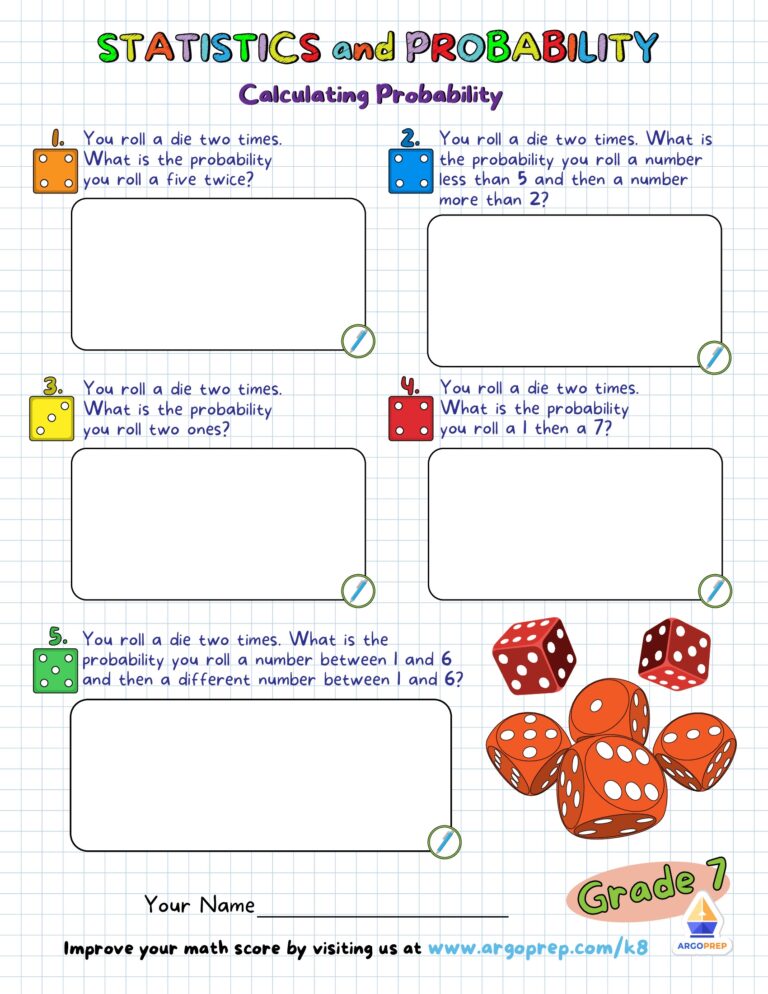
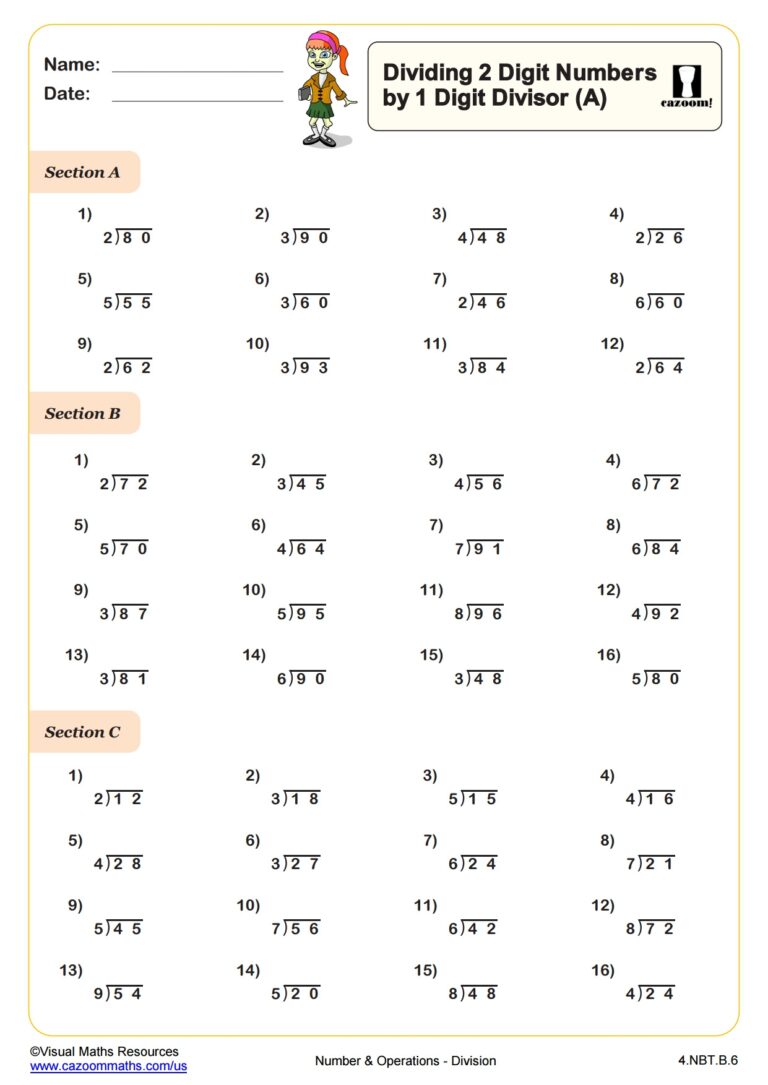
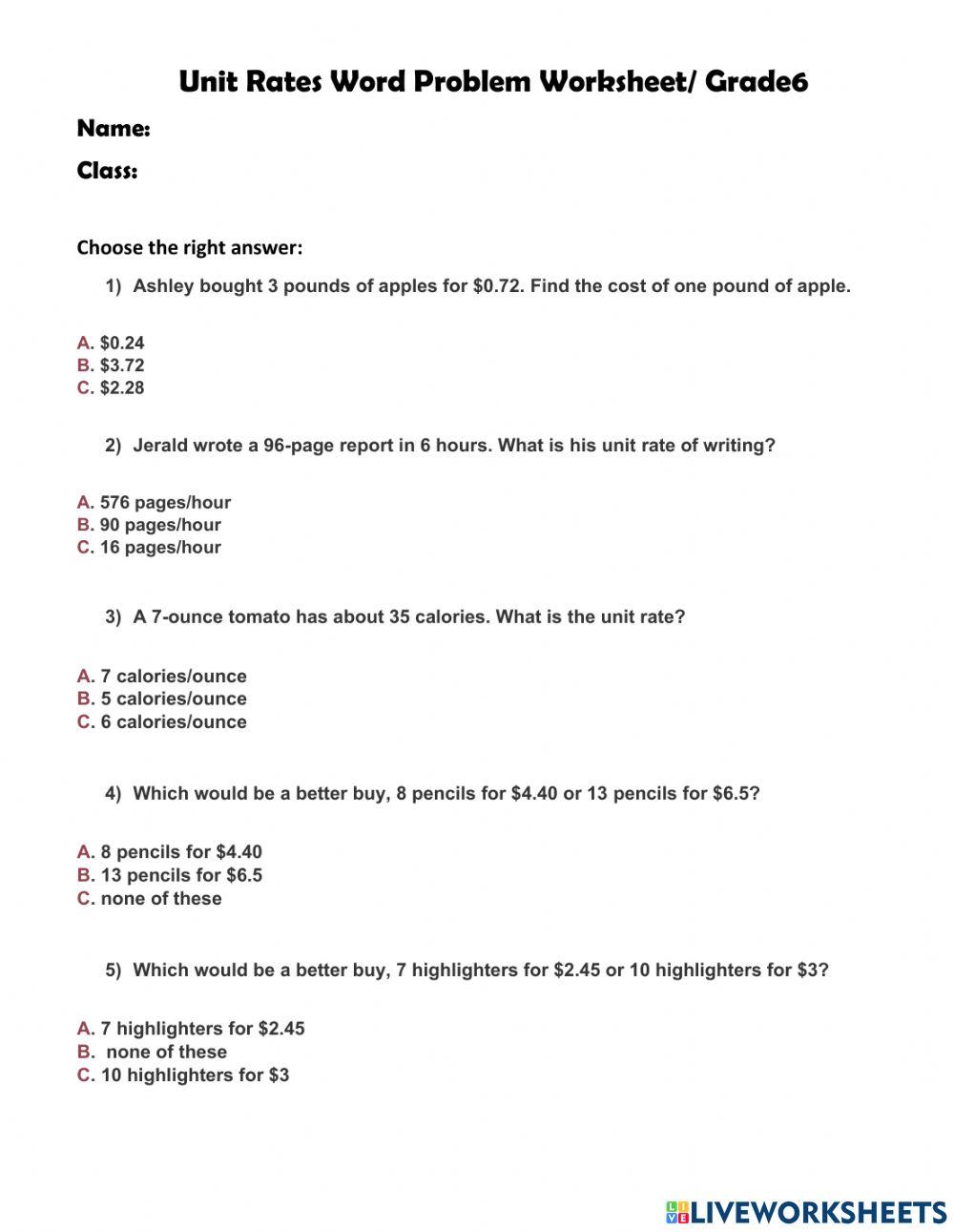
- Varied Problem Types: Worksheets include a mix of word problems, numerical calculations, and visual representations to cater to different learning styles.
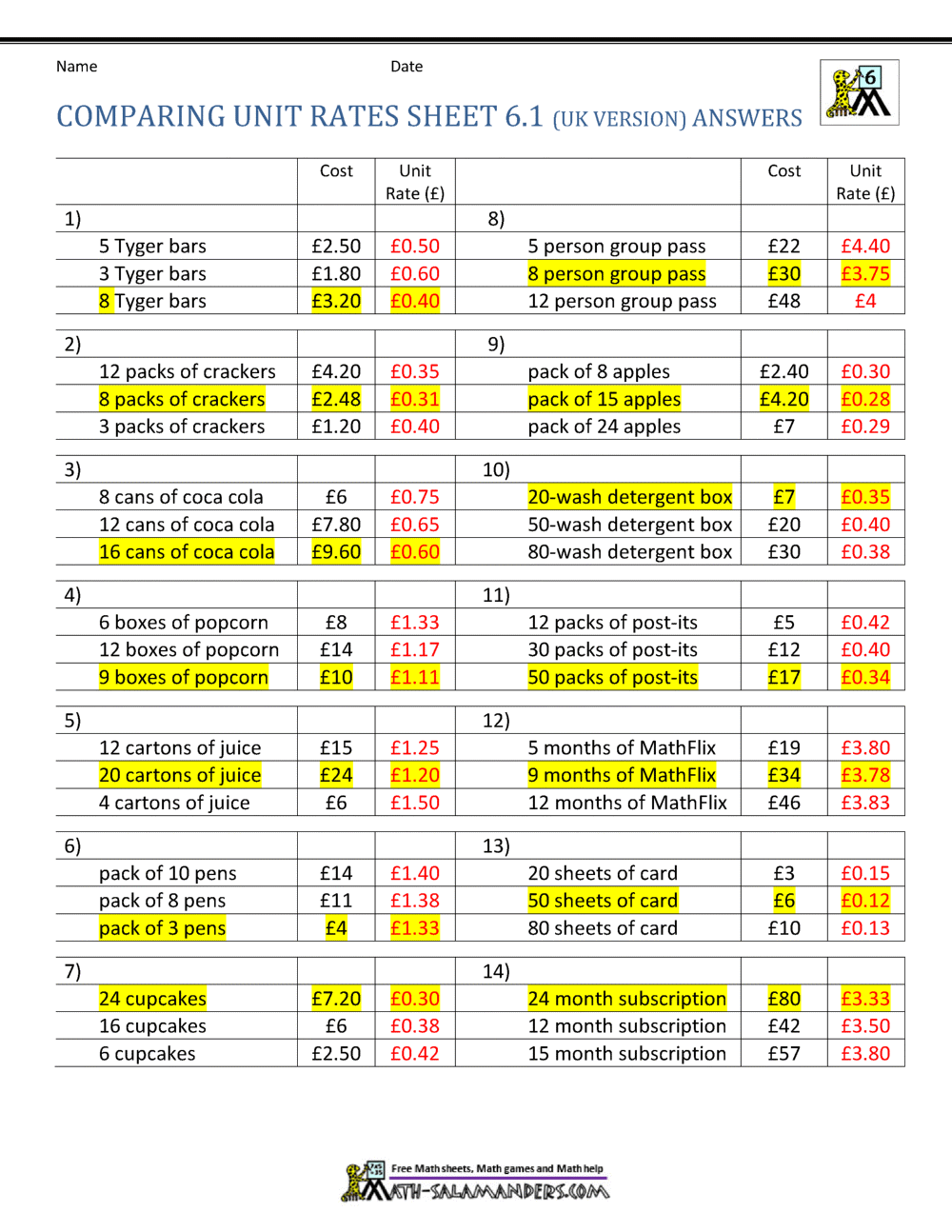
- Answer Keys: Many worksheets come with answer keys, allowing teachers and parents to quickly assess student understanding and provide feedback.
- Printable Format: Available in PDF format, these worksheets can be easily printed for classroom use or at-home practice. Ensure that your printer settings are adjusted to “fit to page” for best results.
Additional Resources to Consider
To complement the unit rate worksheets, consider integrating other educational resources:
- Online Games: Websites like Khan Academy and IXL offer interactive games focused on unit rates and other math concepts. These can be a fun way for students to practice outside of the worksheets.
- Video Tutorials: There are many video resources available online that explain unit rates in engaging ways. Incorporating these can help visual learners grasp the concepts more effectively.
- Math Centers: If you’re teaching in a classroom, set up a math center where students can rotate through different activities, including the unit rate worksheets, games, and online resources.
Why Repetition Matters
Repetition is critical in mathematics, especially when it comes to mastering unit rates. The Sixth Grade Unit Rate Calculations Review Worksheets encourage repeated practice, which helps solidify the knowledge in students’ minds. Each time students revisit the concept, they build on their understanding, leading to greater confidence and proficiency.
Moreover, consistent practice allows students to discover different problem-solving strategies, further enhancing their analytical skills. As they encounter various problem types across different worksheets, they learn to approach unit rates from multiple angles.