Kindergarten Unit Rate Calculations Review Worksheets
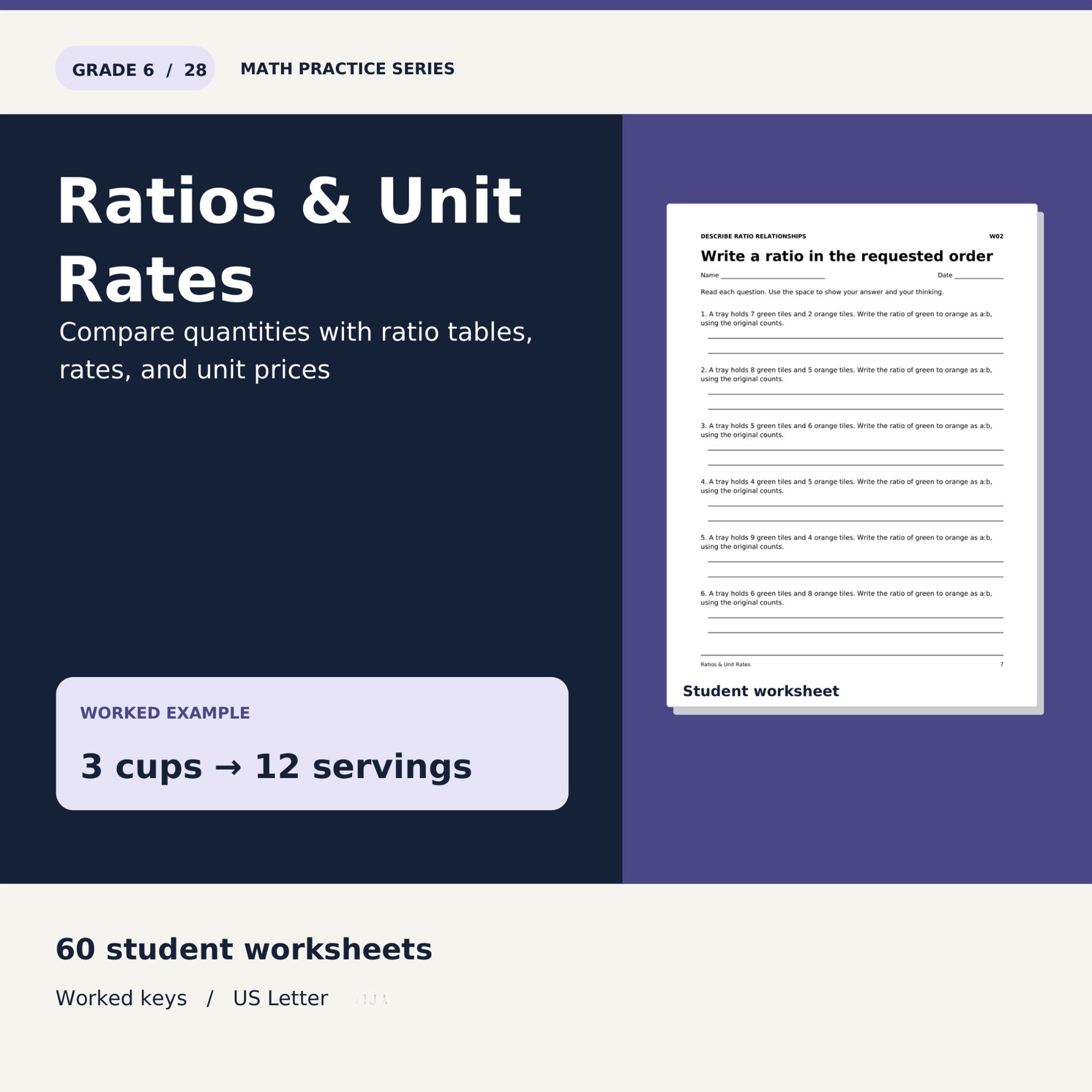
Understanding unit rate calculations is an essential math skill for young learners, and incorporating Kindergarten Unit Rate Calculations Review Worksheets into your teaching can make this concept more accessible and engaging. These worksheets are designed to help kindergarteners grasp the idea of comparing quantities, setting a solid foundation for future math success.
What Are Unit Rates?
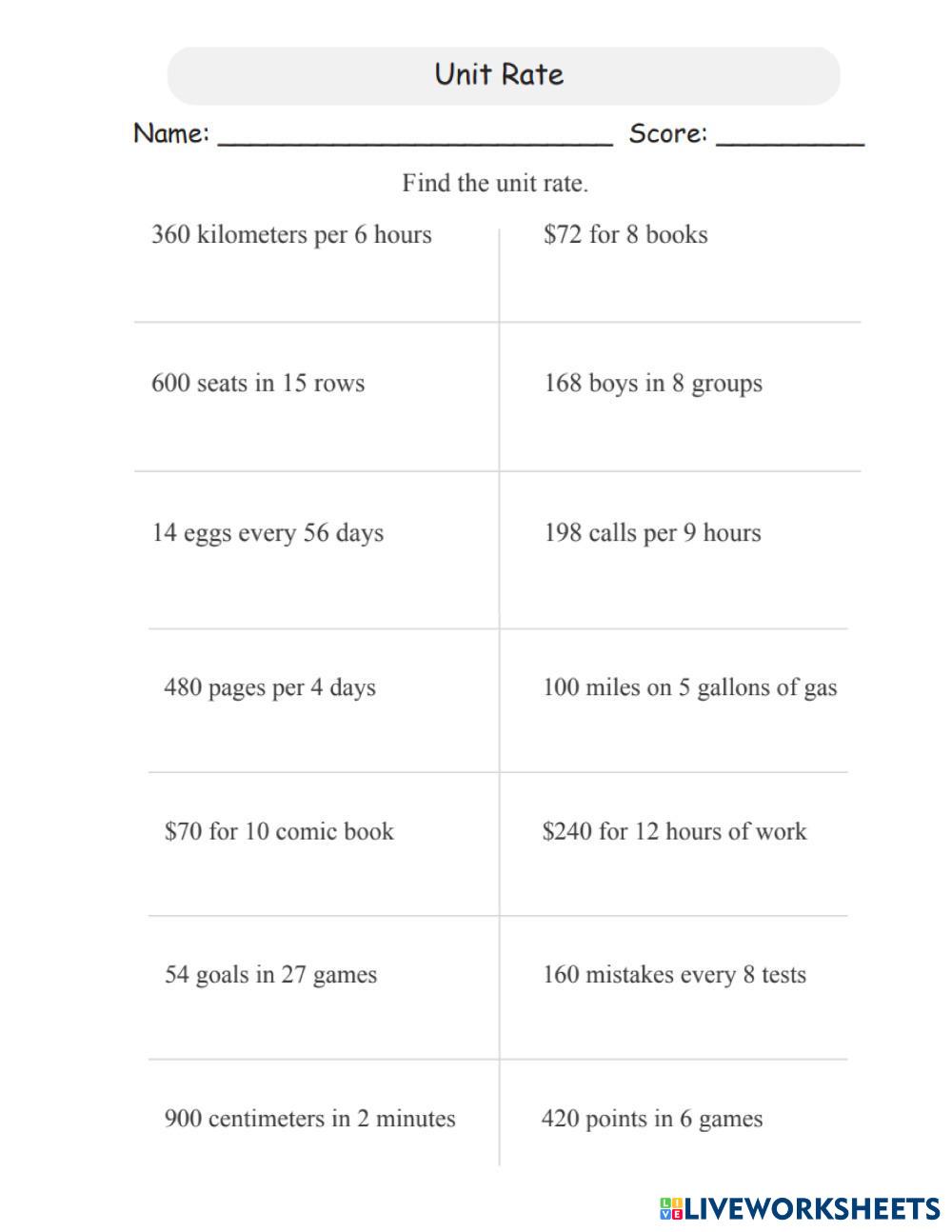
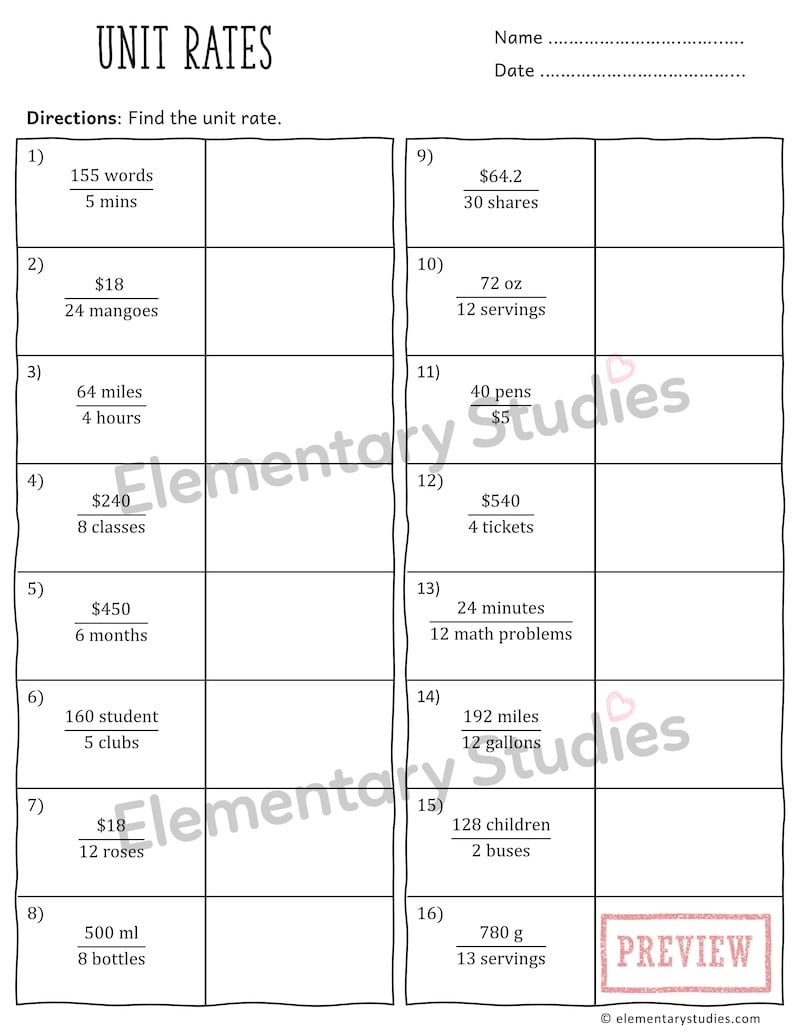
Unit rates compare two different quantities, typically expressed as a quantity of one item per unit of another item. For example, if a child buys 4 apples for $2, the unit rate is $0.50 per apple. Understanding unit rates helps children make better decisions in everyday situations, like shopping or sharing snacks.
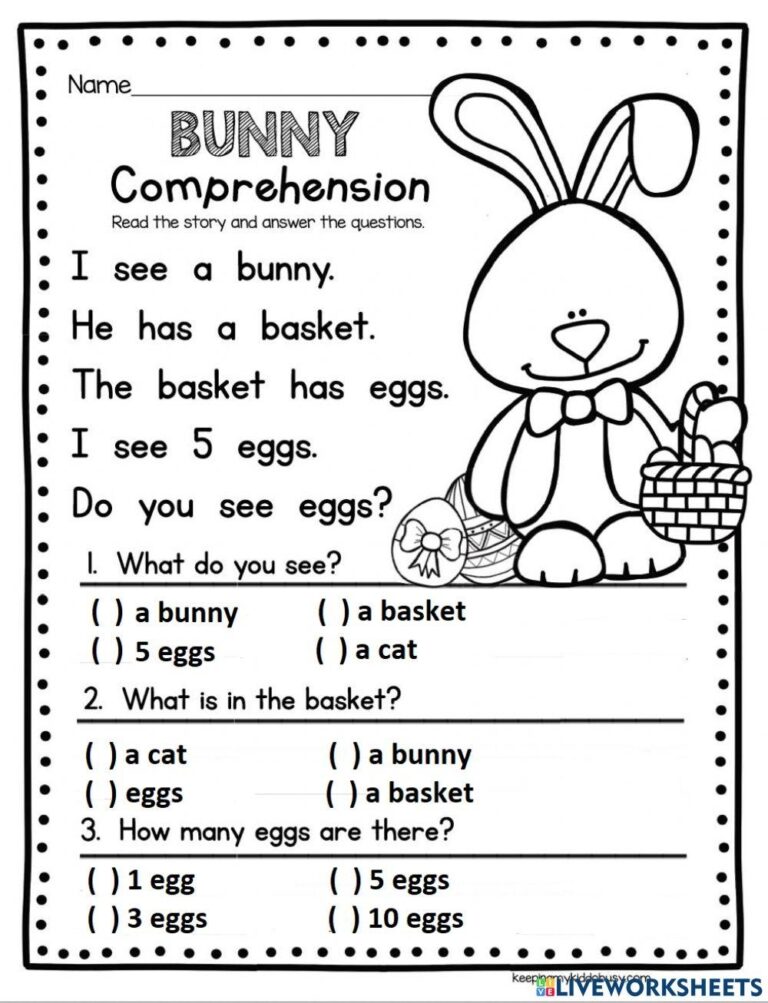
For kindergarten students, the focus should be on simple comparisons, such as how many apples they can get for a certain amount of money or how many toys they can share equally among friends. Using worksheets that incorporate visuals, like images of fruits or toys, can enhance comprehension and make learning fun.
How to Use Kindergarten Unit Rate Calculations Review Worksheets
In a classroom or at home, these worksheets can fit seamlessly into your lesson plans. Here are some practical ways to implement them:
- Introduction to Concepts: Start with a brief discussion about what unit rates are. Use everyday examples relevant to kindergarteners, like sharing snacks or toys.
- Worksheet Activities: Distribute the worksheets, which should include visual aids and simple problems. Encourage kids to work in pairs or small groups, promoting collaboration and discussion about their answers.
- Hands-On Practice: After working on the worksheets, conduct a hands-on activity. For example, use real objects like blocks or fruit to create scenarios where children can practice determining unit rates by counting and comparing quantities physically.
- Review and Reinforcement: After completing the worksheets, review the answers as a class. Discuss why certain answers are correct and how they arrived at those conclusions. This reinforces their understanding and allows for questions to be addressed.
Key Features of Effective Worksheets
When selecting or creating Kindergarten Unit Rate Calculations Review Worksheets, consider the following features to maximize their effectiveness:
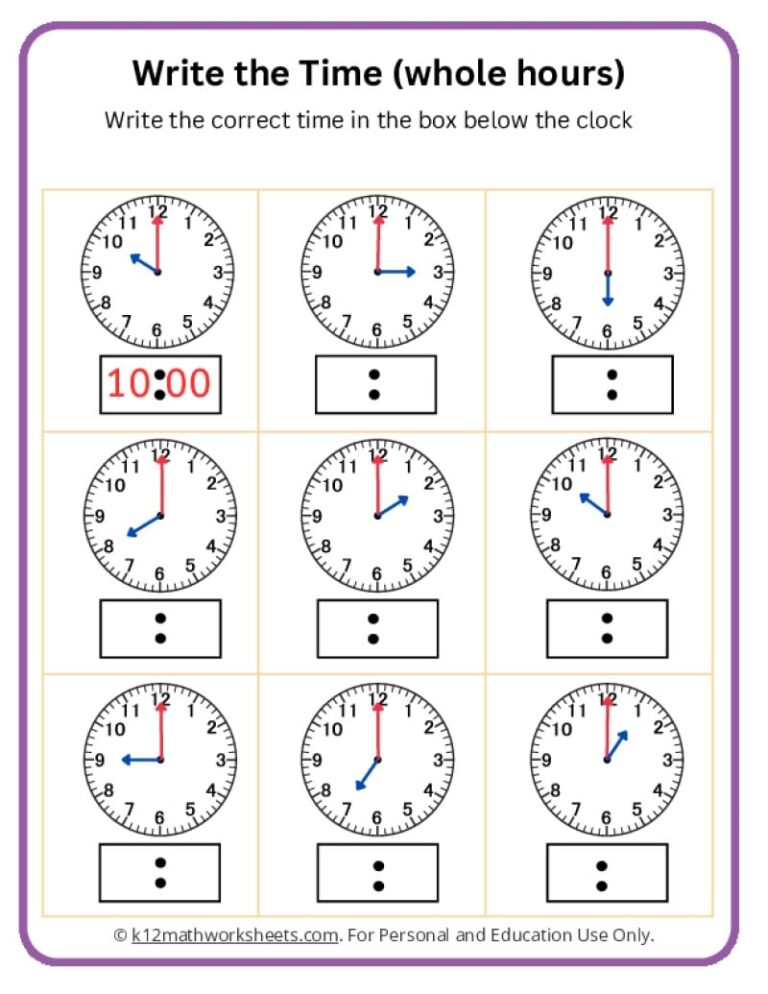
- Visuals: Incorporate colorful images and illustrations to capture children’s attention and support learning. Visual representations can help children better understand the concept of unit rates.
- Simple Language: Use clear and concise language that is easy for young children to understand. Avoid complex terminology that may confuse them.
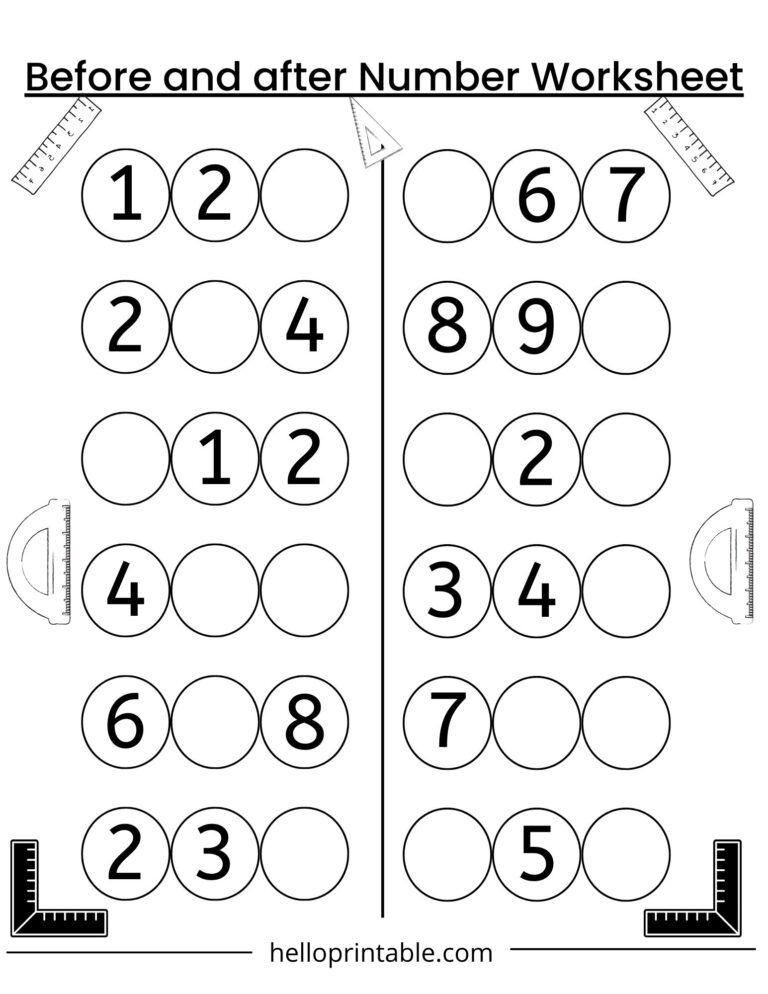
- Engaging Activities: Include a variety of activities such as matching, fill-in-the-blanks, and simple word problems. This diversity keeps children engaged and caters to different learning styles.
- Progressive Difficulty: Start with basic problems and gradually increase complexity as children become more comfortable with the concept. This pacing helps build confidence and competence.
Where to Find and Print Worksheets
For those looking for quality Kindergarten Unit Rate Calculations Review Worksheets, many printable-resource websites offer free or low-cost options. Here are a few tips for finding the best resources:
- Search for Educational Websites: Websites dedicated to educators and parents often have a section for printable worksheets. Look for those that are specifically tailored for kindergarten math skills.
- Check for Downloadable Formats: PDFs are the most reliable format for printing worksheets as they preserve formatting. Ensure the worksheets you choose are in this format to avoid any reformatting issues during printing.
- Look for User Reviews: If available, read reviews from other teachers or parents to gauge the effectiveness of the worksheets. This can save time by directing you to high-quality resources.
Tips for Maximizing Learning Outcomes
To ensure that children are getting the most out of their unit rate practice, consider these additional tips:
- Incorporate Real-Life Scenarios: Use real-life examples whenever possible. For instance, ask students to compare the number of crayons they have with their friends and determine how many each person would get if they shared equally.
- Encourage Discussion: Allow children to explain their reasoning when solving problems. This verbal processing can deepen their understanding and help them articulate their thought processes.
- Revisit Concepts Regularly: Unit rates may be a new concept for many kindergarteners. Regularly revisiting these worksheets throughout the year can reinforce learning and help students retain the information.
- Make It Fun: Engage children with playful activities related to unit rates. For instance, you can set up a pretend store where they can “buy” items using play money, giving them a practical understanding of unit rates in a fun environment.
By using Kindergarten Unit Rate Calculations Review Worksheets effectively, you can help young learners master this important skill while making the process enjoyable and relevant to their everyday lives. Whether in a classroom setting or at home, these resources offer a structured way to teach and reinforce unit rates, setting the stage for future math success. Consider printing out a few worksheets today and integrating them into your lesson plans or home practice sessions.