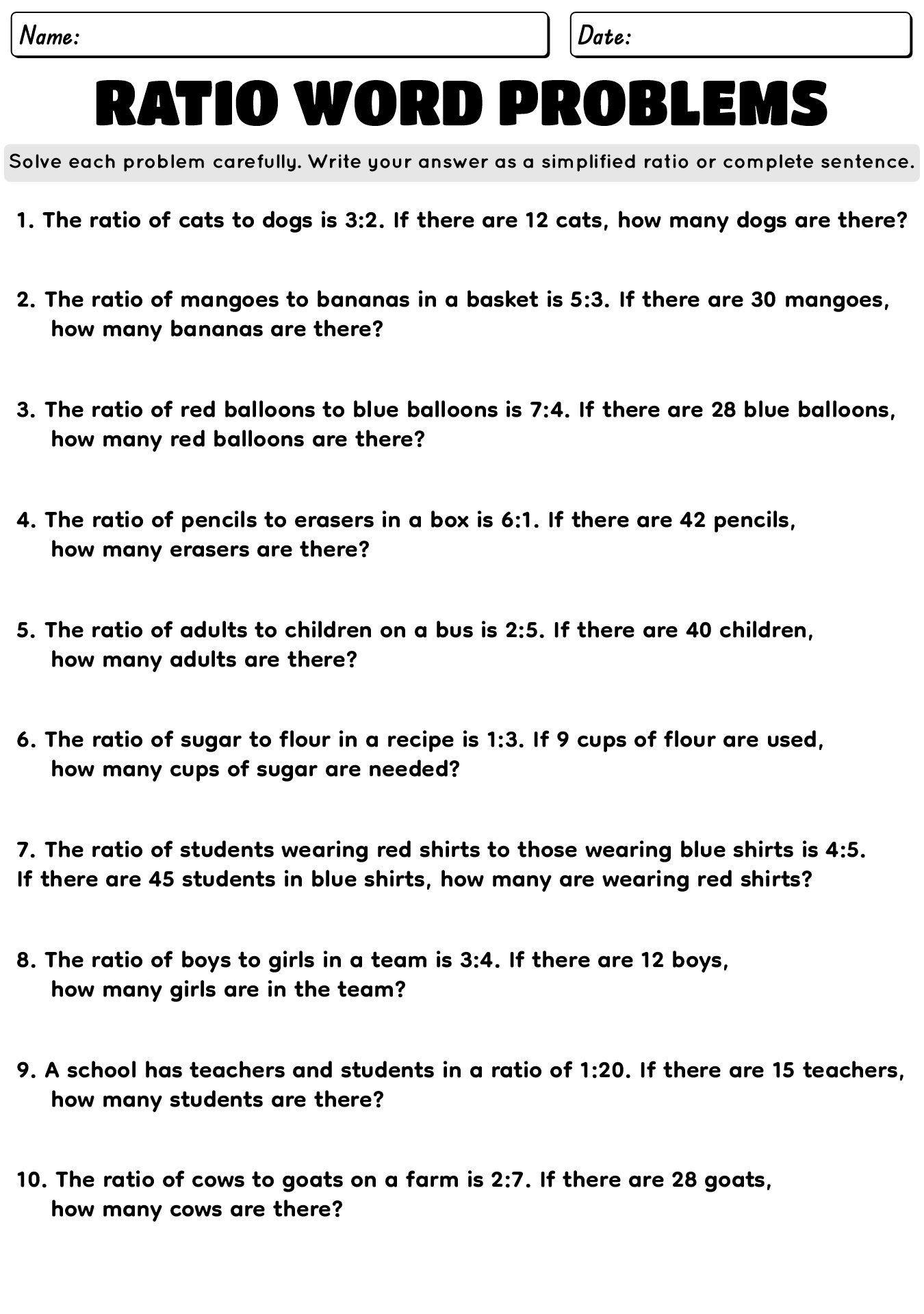
Middle School Ratio Word Problems Review Worksheets
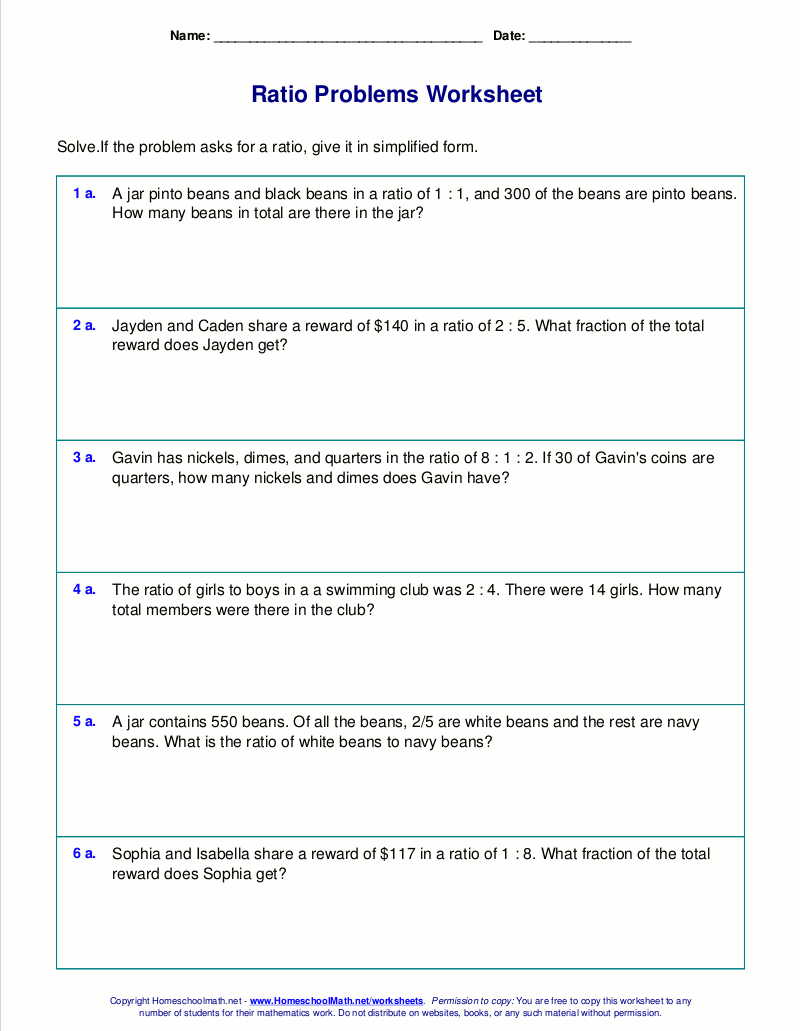
Middle school students often encounter ratio word problems that can be challenging to grasp. To aid in their understanding, using targeted review worksheets can make a significant difference. Middle School Ratio Word Problems Review Worksheets provide a structured way for students to practice and reinforce their skills, making them an essential resource for teachers.
Understanding Ratios and Their Importance
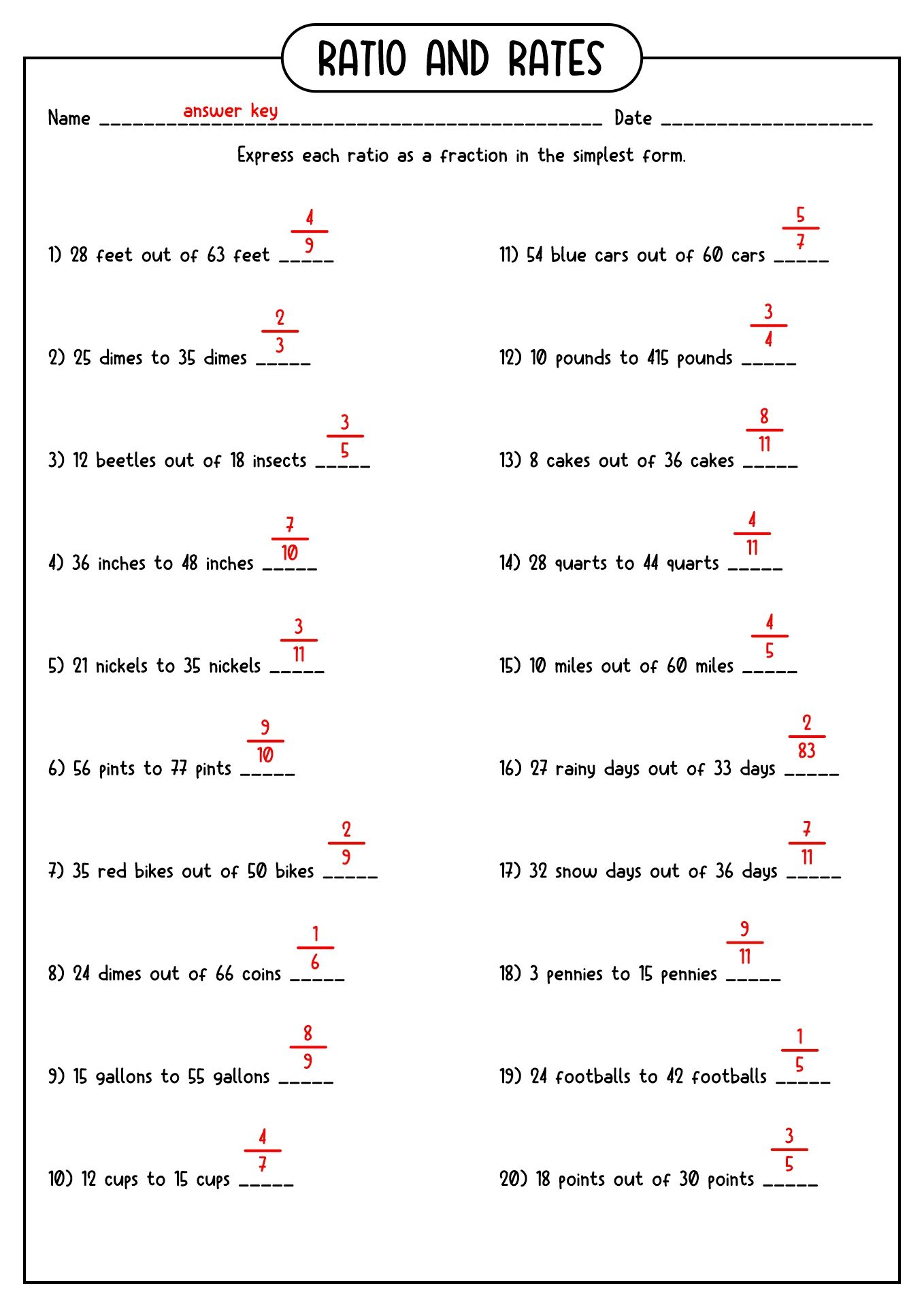
Ratios are a fundamental concept in mathematics, representing a relationship between two quantities. For middle school students, understanding ratios is crucial not only for solving word problems but also for grasping more advanced mathematical concepts such as proportions and rates. As a teacher, you want to ensure your students feel confident in their ability to handle these problems.
The worksheets you’ll find are designed to cater specifically to this age group (typically grades 6-8), offering a range of problems that gradually increase in complexity. This helps to build a solid foundation in ratios, making sure students can apply their knowledge in various contexts, whether in math class or in real-life situations.
Choosing the Right Worksheets
When selecting Middle School Ratio Word Problems Review Worksheets, consider the following factors:
- Alignment with Curriculum: Ensure the worksheets align with your state or national standards for mathematics education. This will help students prepare for assessments and understand the material they are expected to learn.
- Variety of Problems: Look for worksheets that offer a mix of problem types, including direct and inverse ratios, as well as real-world applications. This variety helps to maintain student engagement and caters to different learning styles.
- Clear Instructions: The best worksheets will have clear, concise instructions that students can follow independently. This is especially important if you’re using them for homework or independent practice.
Downloading and Printing Your Worksheets
Once you’ve chosen the worksheets that suit your needs, downloading and printing them is straightforward. Most resources come in PDF format, ensuring that the layout remains consistent regardless of the device used for printing. Here are some practical tips for this process:
- Paper Size: Standard letter size (8.5 x 11 inches) is typically the best choice for printing worksheets. This size fits most home and school printers without any issues.
- Printer Settings: If you’re using a color printer, consider printing in black and white to save ink, especially if the worksheets do not contain essential color elements. Use portrait layout for most worksheets to ensure they fit well on the page.
- Quality Matters: For worksheets that will be frequently used, consider printing on cardstock for durability. If you plan to use them multiple times, laminating them can also be a good option.
Setting Up for Successful Use
After printing your worksheets, the next step is setting them up for your students. Here’s how you can effectively implement these resources in your classroom:
- Warm-Up Activity: Start with a brief review of ratios before handing out the worksheets. This could include a quick discussion or a few example problems on the board that illustrate how to solve ratio word problems.
- Group Work: Encourage collaboration by having students work in pairs or small groups. This can foster discussion and allow students to explain their thought processes to one another, reinforcing their understanding.
- Independent Practice: After the group work, give students time to complete the worksheets independently. This allows you to assess their understanding and identify any areas that may need further clarification.
Assessing Student Understanding
Once students have completed the Middle School Ratio Word Problems Review Worksheets, it’s important to assess their understanding. Here are some strategies to help with this:
- Review Answers Together: Go through the answers as a class, encouraging students to explain how they arrived at their solutions. This not only reinforces their learning but also allows them to learn from their peers.
- Provide Feedback: Offer constructive feedback on their worksheets. Highlighting common mistakes can help students learn from errors and improve their problem-solving skills.
- Follow-Up Activities: Consider assigning additional problems that challenge students to apply what they’ve learned in different contexts. This could include project-based tasks that involve ratios in real-world scenarios, such as cooking or budgeting.
Implementing these worksheets in your teaching practice can help students gain a better understanding of ratios and their applications. The structured approach ensures they receive ample practice while also allowing for independent learning.
Lastly, remember that the key to mastering ratios lies in consistent practice and real-world application. When students can see the relevance of what they are learning, their engagement and understanding will grow, paving the way for future success in mathematics.