Eighth Grade Ratio Word Problems Review Worksheets
When teaching eighth graders, finding effective ways to reinforce concepts can be a challenge. Ratio word problems are a crucial part of the curriculum, helping students apply their understanding of ratios to real-world scenarios. The Eighth Grade Ratio Word Problems Review Worksheets provide an excellent resource for both classroom and home use, allowing students to practice and track their progress in mastering this important skill.
Understanding Ratios and Their Importance
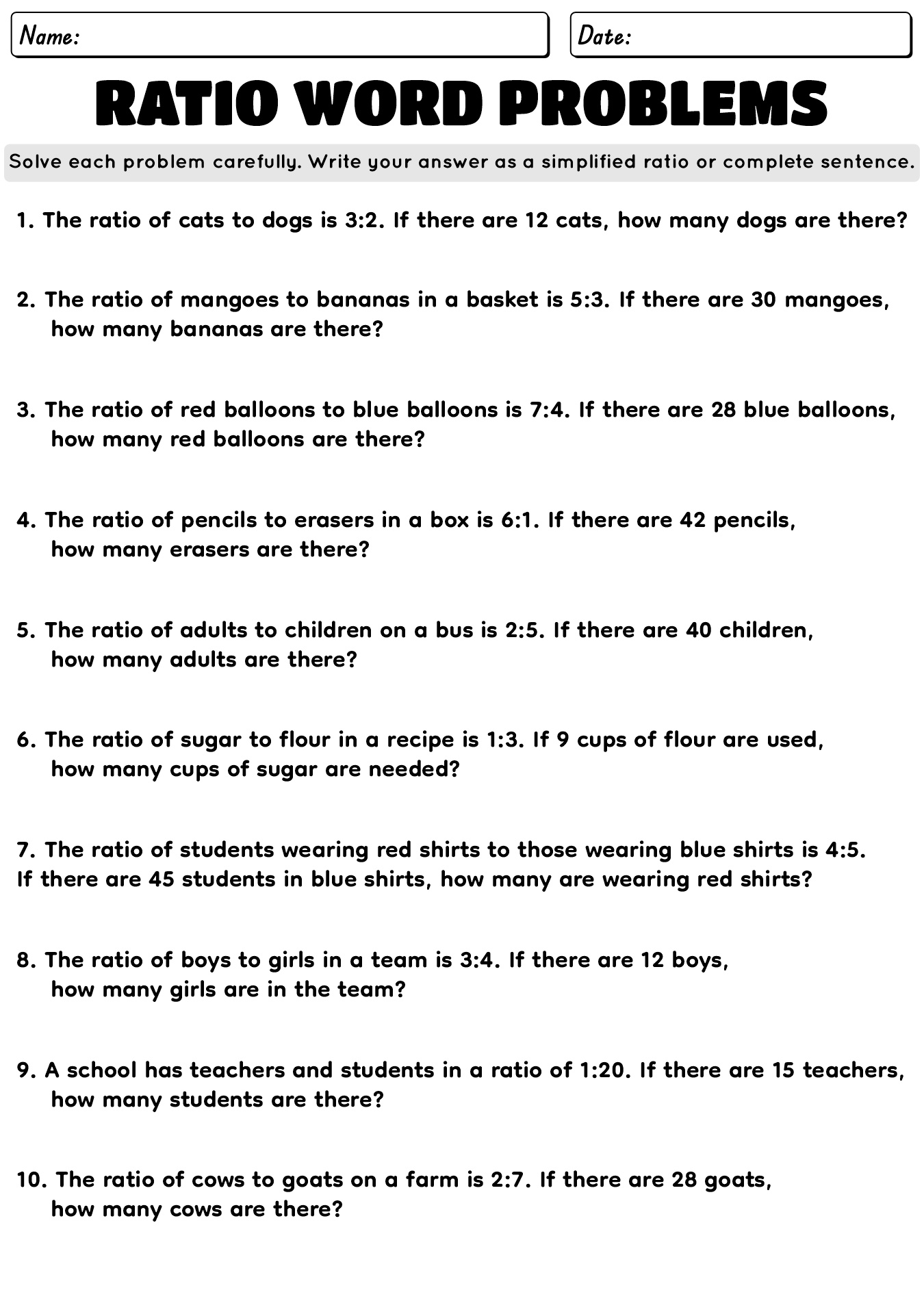
Ratios are comparisons between two quantities, expressing how much of one thing there is compared to another. For eighth graders, mastering this concept is essential not just for math, but for everyday decision-making. Whether they’re figuring out the best deal while shopping or comparing quantities in recipes, understanding ratios can significantly impact their analytical skills.
Why Use Worksheets?
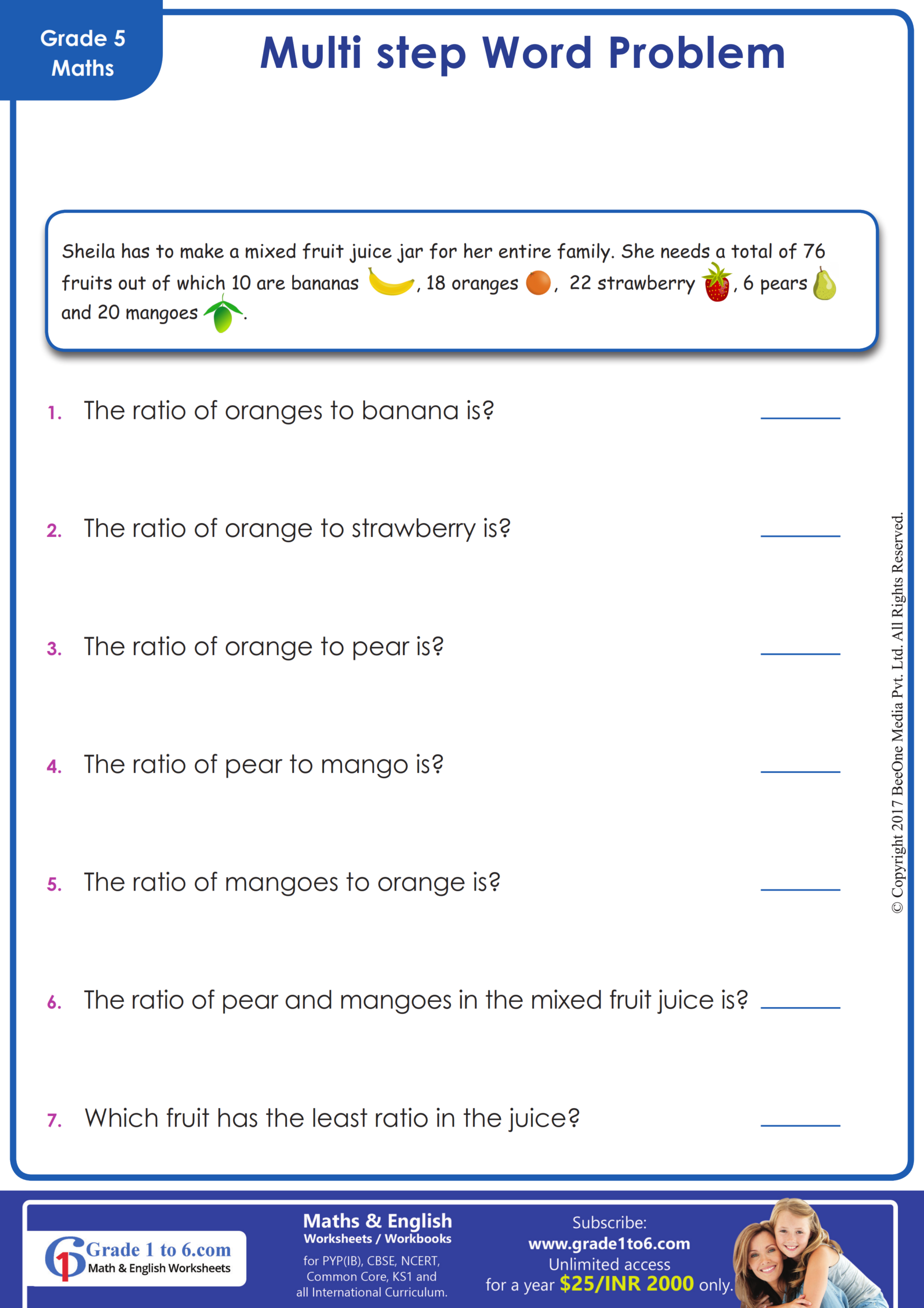
Worksheets are a practical tool for reinforcing lessons. They offer students the chance to practice independently, helping to solidify their understanding of ratios. The Eighth Grade Ratio Word Problems Review Worksheets include a variety of problems that cater to different learning styles. Some students may excel with visual aids, while others benefit from straightforward numerical problems. By providing a mix, these worksheets ensure that all students have the opportunity to succeed.
How to Use the Worksheets Effectively
Using the Eighth Grade Ratio Word Problems Review Worksheets is straightforward, but there are some strategies to maximize their effectiveness:
- Download and Print: Start by downloading the worksheets in PDF format. This format is ideal as it maintains the layout and ensures your printer settings don’t alter the design. Use standard letter-size paper (8.5 x 11 inches) for ease of printing.
- Set Up a Study Schedule: Incorporate these worksheets into your existing lesson plans. For instance, dedicate one class per week to focus solely on ratio problems. This will help maintain a consistent pace and allow students to absorb the material fully.
- Track Progress: After students complete the worksheets, review their answers together. This not only reinforces learning but also provides insight into areas where additional instruction may be needed. Consider keeping a record of each student’s scores to track their progress over time.
- Group Activities: Encourage collaboration by having students work in pairs or small groups on the worksheets. This can foster discussion and help them articulate their thought processes, which is beneficial for deeper understanding.
Types of Ratio Word Problems Included
The Eighth Grade Ratio Word Problems Review Worksheets typically cover a range of problem types, including:
- Part-to-Part Ratios: These problems involve comparing two different parts of a whole. For example, if a recipe uses 2 cups of flour for every 3 cups of sugar, students can practice finding the ratio of flour to sugar.
- Part-to-Whole Ratios: These problems require students to express one part in relation to the total. For instance, if a class has 12 boys and 8 girls, what is the ratio of boys to the total number of students?
- Scaling Ratios: Students will also encounter problems that ask them to scale ratios up or down. This could involve adjusting recipes or model sizes, which ties back into practical applications of ratios in everyday life.
Tips for Supporting Diverse Learners
Every student learns differently, and it’s important to adapt your teaching methods to meet their needs. Here are some tips to help support diverse learners when using the Eighth Grade Ratio Word Problems Review Worksheets:
- Visual Aids: Use diagrams or models to help visual learners grasp ratio concepts. For example, drawing a picture representing the ratios can make the problems more relatable.
- Extra Practice: Provide additional worksheets for students who need more practice. This can help build confidence before moving on to more complex problems.
- Use Technology: Consider using online resources or apps that reinforce ratio concepts. This can be particularly engaging for students who are tech-savvy.
- Encourage Questions: Foster an environment where students feel comfortable asking questions. This can lead to better understanding and retention of the material.