Free Kindergarten Worksheets About Ratio Word Problems
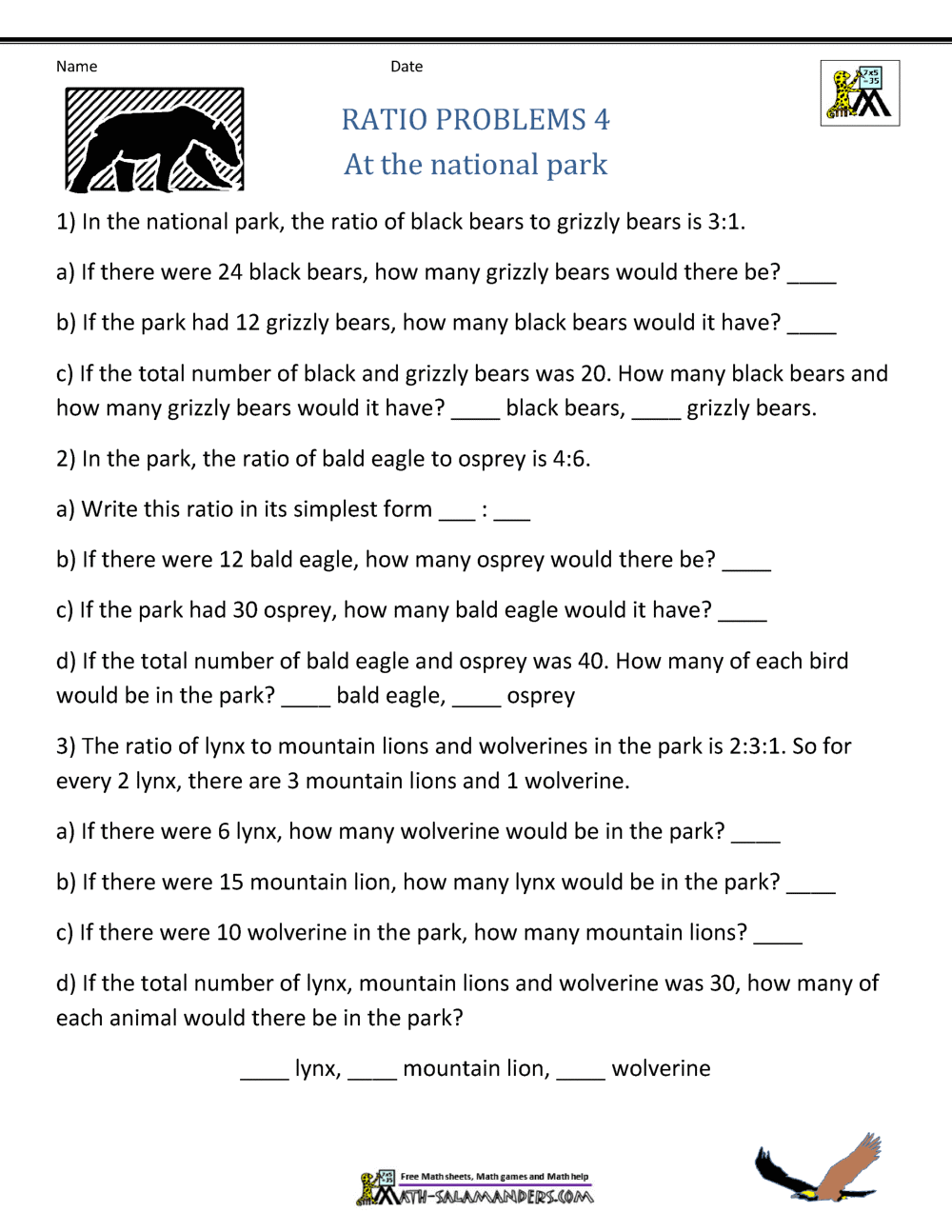
Teaching young children the concept of ratios can be challenging, especially when it comes to word problems. Free Kindergarten Worksheets About Ratio Word Problems are an excellent way to introduce this fundamental math skill in a fun and approachable manner. These worksheets help children understand how to compare quantities and develop critical thinking skills through practical examples.
Understanding Ratios for Kindergarten Learners
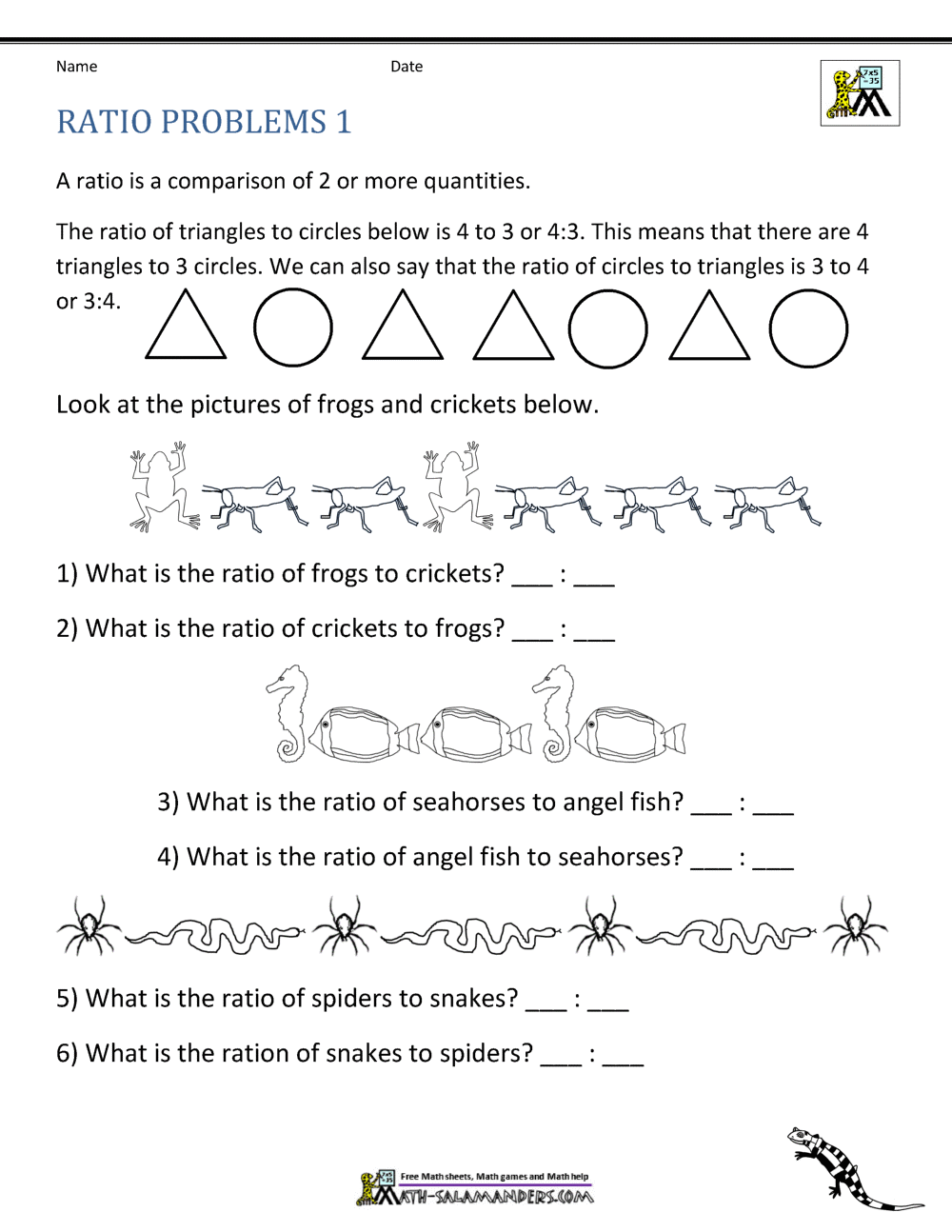
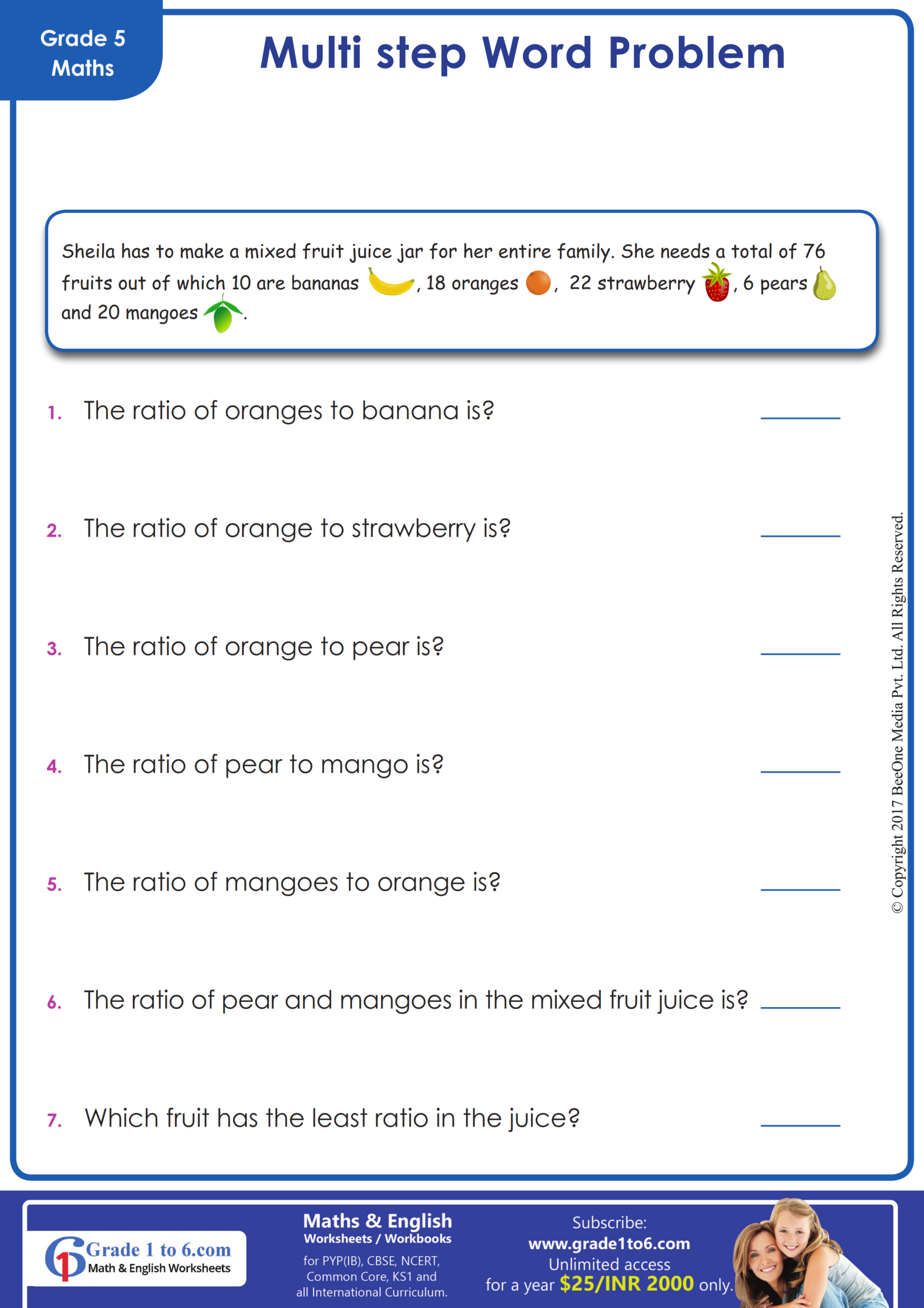
Ratios essentially compare two quantities, helping children visualize relationships between different groups. In the kindergarten classroom, this might mean comparing the number of apples to oranges in a fruit basket or the number of boys to girls in the class. By using relatable scenarios, children can grasp the idea of ratios without feeling overwhelmed.
When introducing ratio word problems, it’s crucial to keep the language simple and the examples relevant to their everyday experiences. For instance, a worksheet might present a scenario like, “There are 4 red balloons and 2 blue balloons. What is the ratio of red balloons to blue balloons?” This type of question encourages students to think critically about the relationships between numbers.
Practical Uses of Ratio Worksheets in the Classroom
Incorporating Free Kindergarten Worksheets About Ratio Word Problems into your lesson plans can enhance students’ understanding in several ways:
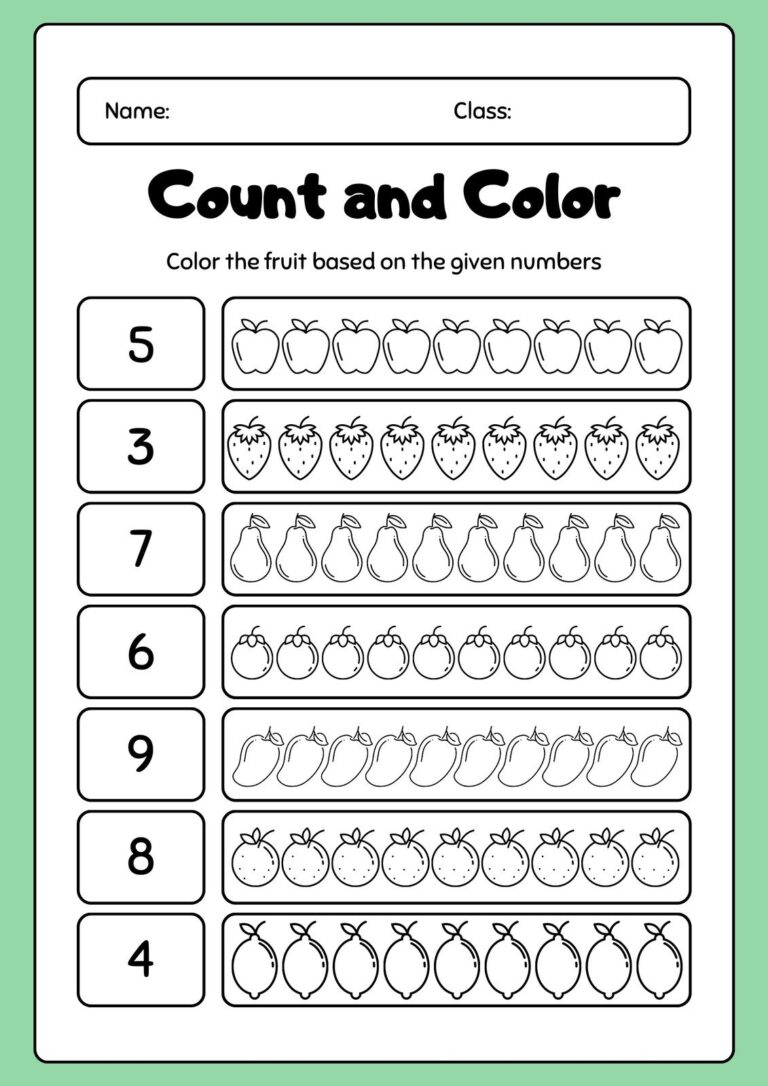
- Hands-On Learning: These worksheets can be used alongside physical objects like blocks, fruit, or pictures. As children solve the problems, they can manipulate these objects to visualize the ratios, making abstract concepts more concrete.
- Group Activities: Divide the class into small groups and assign different worksheets. After they complete their problems, have each group present their answers to the class. This encourages collaboration and allows students to learn from one another.
- At-Home Practice: Send worksheets home for parents to work on with their children. This not only reinforces classroom learning but also allows parents to engage in their child’s education, fostering a supportive learning environment.
Mastery and Progress Checks
As students work through these worksheets, it’s essential to monitor their progress. Mastery of ratio concepts can be observed in several ways:
- Correct Answers: Initially, look for correct answers to gauge understanding. If a student consistently gets the problems right, it indicates they have grasped the concept.
- Problem-Solving Process: Pay attention to how students approach the problems. Are they using objects to help them visualize? Are they able to explain their reasoning? This can often provide more insight into their understanding than simply counting correct answers.
- Follow-Up Questions: After completing the worksheets, ask follow-up questions to assess their understanding. For example, if they solved a problem about red and blue balloons, you might ask, “If we add one more red balloon, what will the new ratio be?”
Tips for Using Ratio Worksheets Effectively
To maximize the effectiveness of Free Kindergarten Worksheets About Ratio Word Problems, consider these practical tips:
- Visual Aids: Use visual aids such as charts or pictures alongside the worksheets. This helps students who may struggle with text-heavy problems and keeps their attention focused.
- Simplify Language: Ensure that the wording of each problem is straightforward. Avoid complex sentences and jargon that may confuse young learners.
- Encourage Discussion: Create opportunities for discussion around the problems. Ask students to share their thought processes and encourage them to explain how they arrived at their answers.
- Adjust Difficulty: Be mindful of varying skill levels in your classroom. Some students may grasp ratio concepts quickly, while others may need more time. Consider having a range of worksheets available that cater to different abilities.