Preschool Skill Worksheets Covering Diphthong Word Sorting
In a cozy classroom filled with colorful decorations, a small group of preschoolers eagerly gathers around a table. They are excited to look at their latest activity: sorting words with diphthongs. Preschool skill worksheets covering diphthong word sorting are a fantastic way to help young learners develop their phonics skills in a fun and engaging manner. These worksheets not only make learning enjoyable but also offer a structured way for children to practice and master this essential language skill.
Understanding Diphthongs and Their Importance
Diphthongs are complex vowel sounds that begin with one vowel sound and glide into another within the same syllable, such as in the words “coin” and “out.” For preschoolers, grasping diphthongs is crucial as it lays the foundation for reading and spelling. Recognizing these sounds helps children improve their phonemic awareness, an essential component of early literacy skills.
When introducing diphthongs, it can be helpful to use visual aids and oral examples. Pointing out common diphthong words during storytime or in everyday conversation reinforces their recognition. This method encourages children to listen actively and engage with language, making the subsequent worksheets more effective.
How to Use Preschool Skill Worksheets Covering Diphthong Word Sorting
These worksheets can be utilized in various settings—whether in a classroom, during homeschool sessions, or even at the kitchen table. Here’s how you can effectively implement them:
- Preparation: Print the worksheets on standard letter-sized paper (8.5″ x 11″). If you plan to reuse them, consider printing on cardstock for durability or laminating them for a wipe-clean surface.
- Setup: Create a quiet and distraction-free area for the children to work. Gather colored pencils or markers for them to use while they complete the worksheets. This not only adds a visual element but also keeps their interest piqued.
- Instructions: Begin by explaining what a diphthong is and give examples. You might say, “A diphthong is when two vowel sounds come together to make a new sound. Can you think of a word that has the sounds ‘ou’ in it?” This interaction primes them for the activity.
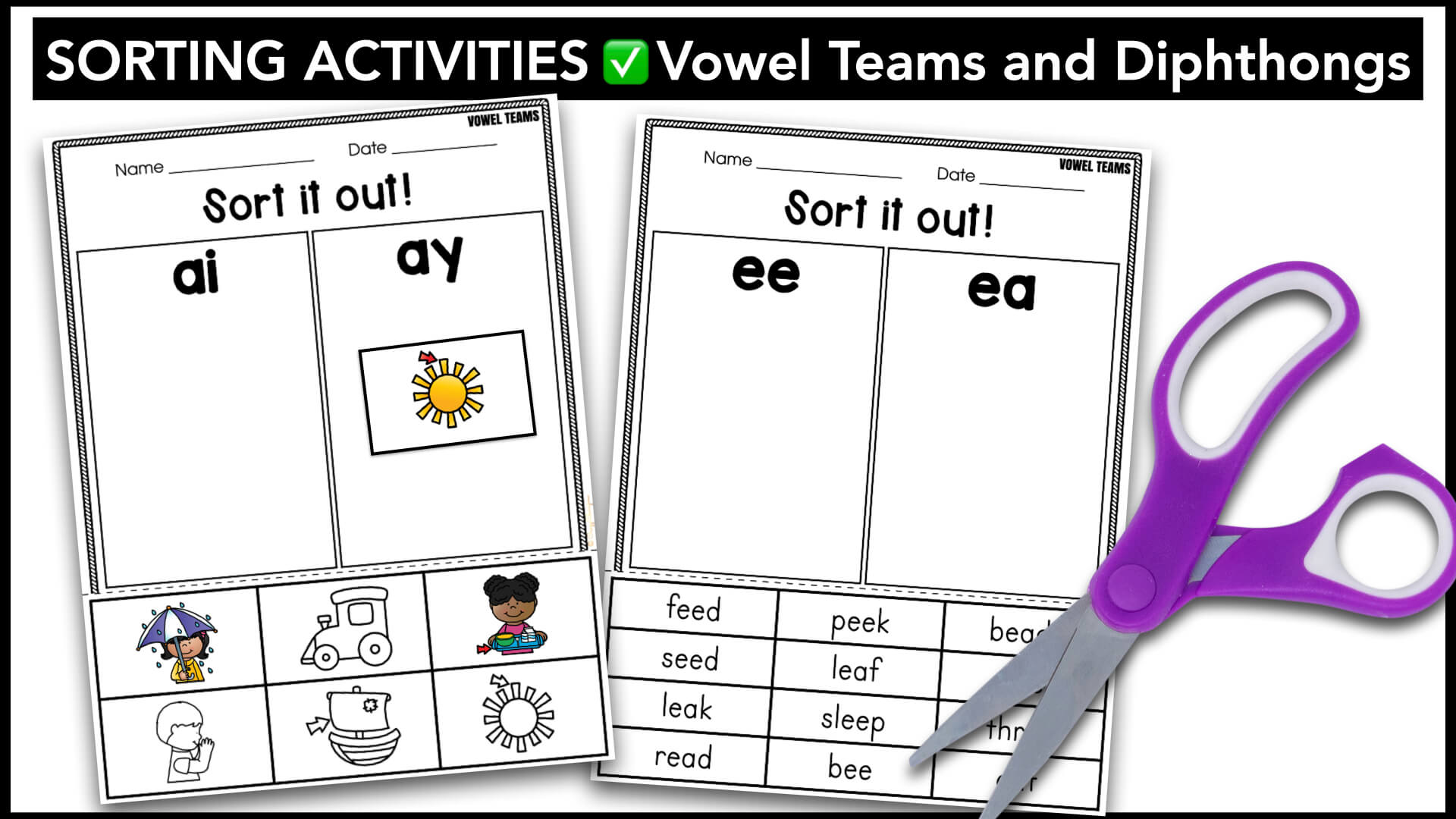
- Independent Practice: Encourage children to complete the worksheets independently after the initial explanation. The worksheets typically include sections for sorting words with diphthongs, matching them with pictures, or filling in blanks. Clear, simple instructions will guide them without needing constant supervision.
- Review and Reinforcement: Once they finish, go through the answers together. This review session allows for discussion and clarifies any misunderstandings. You can even create a fun game where they read their sorted words aloud or match them with objects around the room.
By following these steps, you create an environment where children feel empowered to explore diphthongs at their own pace.
Engaging Activities to Complement Diphthong Worksheets
While worksheets are excellent for independent practice, incorporating hands-on activities can further reinforce learning. Here are some ideas:
- Diphthong Bingo: Create bingo cards with diphthong words. As you call out words, children can mark them on their cards. This adds a fun, competitive element to their learning.
- Sound Sorting Games: Use simple cards with pictures and words. Have children sort them into categories based on the diphthong sounds. This tactile approach helps solidify their understanding through play.
- Story Creation: Encourage children to create short stories using diphthong words. This activity promotes creativity and helps them use the words in context, enhancing their vocabulary and comprehension.
These engaging activities can easily be integrated into your lesson plans, making learning feel less like a chore and more like an adventure.
Adapting Worksheets for Different Learning Styles
Every child learns differently, and it’s essential to adapt your approach to suit various learning styles. Here are some suggestions for tailoring the diphthong worksheets:
- Visual Learners: Use colorful images and graphic organizers. Providing visual cues will help these learners connect words with their meanings.
- Auditory Learners: Incorporate songs or rhymes that feature diphthongs. Singing can make the sounds more memorable and enjoyable.
- Kinesthetic Learners: Include movement-based activities, such as jumping to different diphthong sounds or using letter tiles to spell out words. This hands-on approach helps reinforce concepts through physical activity.
By considering these different learning styles, you create a more inclusive learning environment that caters to the needs of all students.
Downloadable Resources for Diphthong Practice
When searching for preschool skill worksheets covering diphthong word sorting, it’s beneficial to find downloadable resources that are easy to access and print. Websites offering educational materials often provide a variety of worksheets tailored to different skill levels. These resources typically come in PDF format, ensuring that the layout remains consistent when printed.
Additionally, look for worksheets that offer a mix of activities. Some may include word searches, crosswords, or fill-in-the-blank exercises, providing a well-rounded approach to learning diphthongs. This variety keeps children engaged and allows them to practice in different contexts.
When downloading, be sure to check the file size and ensure it’s compatible with your printer settings. A standard inkjet or laser printer will work well, but using high-quality paper can enhance the final product.
By integrating these worksheets and resources into your teaching, you are setting your preschoolers up for success in reading and language skills.
In summary, preschool skill worksheets covering diphthong word sorting can be a valuable tool for teachers and caregivers alike. By using these worksheets alongside engaging activities and considering different learning styles, you can create a rich learning experience that fosters a love for language and reading in young learners. Whether you choose to print them for classroom use or for home learning, these resources are sure to make a positive impact.