First Grade Skill Worksheets Covering Phoneme Matching
Phoneme matching is a key skill for first graders, laying the foundation for reading and spelling. First Grade Skill Worksheets Covering Phoneme Matching provide an excellent way to practice this essential skill. These worksheets help young learners identify, isolate, and manipulate sounds in spoken words, which is crucial for developing their literacy skills.
Understanding Phoneme Matching
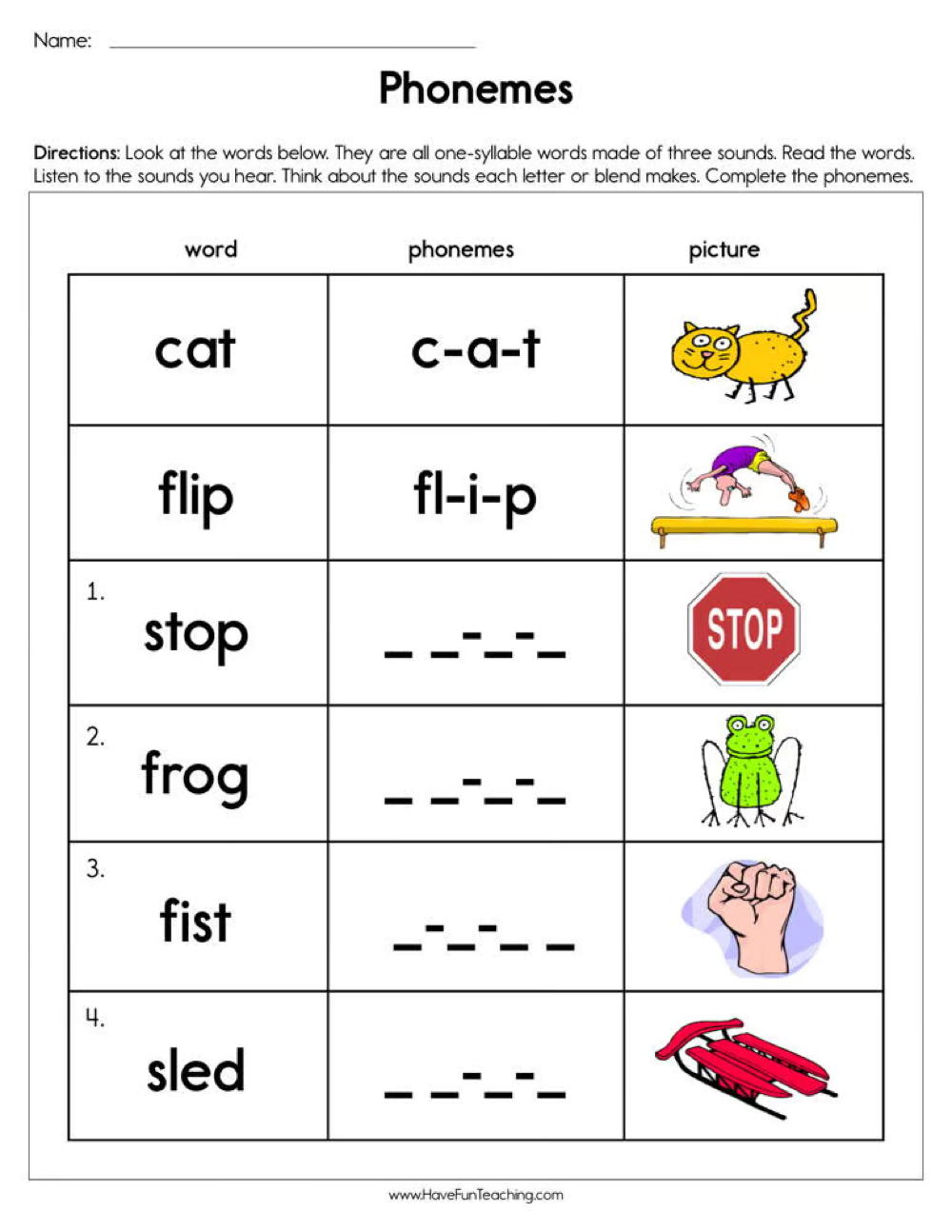
Phonemes are the smallest units of sound in a language. In English, there are about 44 phonemes that can be represented by different letters or combinations of letters. Phoneme matching involves recognizing and matching these sounds to their corresponding letters or words. This skill is vital as it helps children develop their reading abilities, leading to better comprehension and communication skills.
In a classroom or home setting, phoneme matching activities can be integrated into daily lessons or used as supplemental practice. For example, you can introduce phoneme matching through games, songs, or interactive activities, but worksheets provide a straightforward method for assessment and practice.
How to Use Phoneme Matching Worksheets
When using First Grade Skill Worksheets Covering Phoneme Matching, consider how to best fit them into your teaching routine. Here are some practical steps to effectively implement these worksheets:
- Assess Current Skill Levels: Before diving into worksheets, gauge your students’ or child’s current understanding of phonemes. Simple oral assessments or informal observations during reading can help identify their proficiency.
- Introduce the Concept: Use engaging methods to introduce phoneme matching. This might include clapping out sounds, using flashcards, or playing phoneme-based games. This foundational understanding will make worksheet activities more meaningful.
- Choose Appropriate Worksheets: Select worksheets that align with the specific phonemes your students are currently learning. For instance, if the focus is on short vowel sounds, choose worksheets that emphasize those sounds.
- Incorporate Various Activities: Look for worksheets that offer a mix of activities. Some may include matching pictures to sounds, filling in missing letters, or sorting words based on their phonemes. This variety keeps children engaged and caters to different learning styles.
- Supervise and Support: While children work on the worksheets, circulate around the room to provide support. Encourage them to sound out words and think critically about their answers. This interaction can enhance their learning experience.
- Review and Reinforce: After completing the worksheets, review the answers together. Discuss any mistakes and clarify misunderstandings. This step is crucial for reinforcing their learning and ensuring they grasp the concepts.
Benefits of Printable Worksheets
Printable worksheets offer several advantages for both teachers and parents. Here are a few reasons to incorporate them into your phoneme matching activities:
- Immediate Access: Printable worksheets can be downloaded instantly, allowing for quick and easy access to resources whenever needed. This is particularly useful for last-minute lesson planning or homework assignments.
- Flexible Use: These worksheets can be used in various settings—classrooms, homeschooling environments, or even during summer break for extra practice. They’re versatile and can fit into any learning schedule.
- Cost-Effective: Many printable resources are available for free or at a low cost, making them budget-friendly options for educators and parents alike. This means you can provide quality resources without breaking the bank.
- Track Progress: Worksheets allow you to track students’ progress over time. You can collect completed worksheets to assess their understanding and identify areas needing more practice.
Examples of Phoneme Matching Worksheets
When searching for First Grade Skill Worksheets Covering Phoneme Matching, look for various types to keep children engaged. Here are some examples of what you might find:
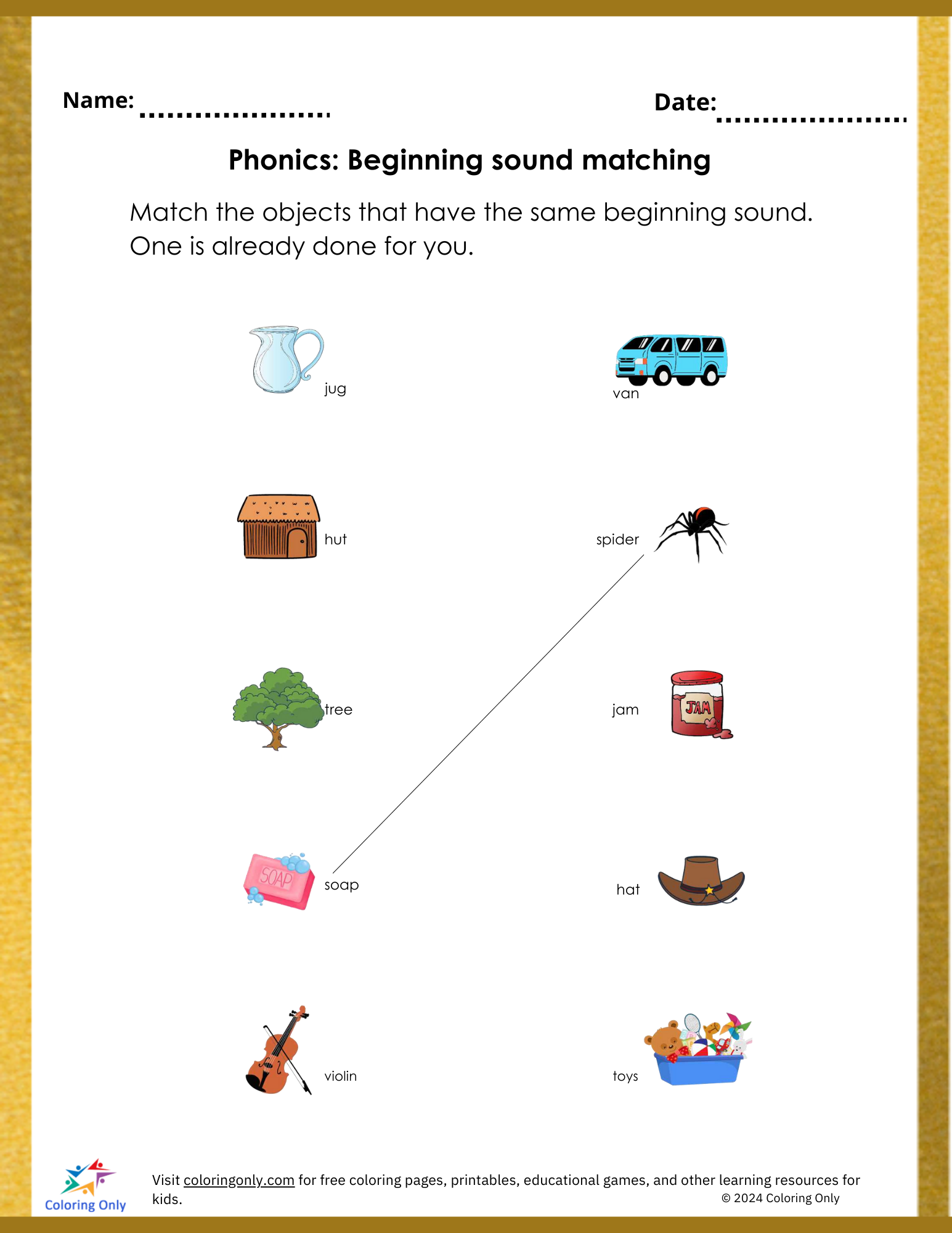
- Sound Sorting Worksheets: These worksheets encourage students to sort words or pictures based on their initial or final sounds. For instance, they might sort pictures of a cat, cake, and cup under the “C” sound category.
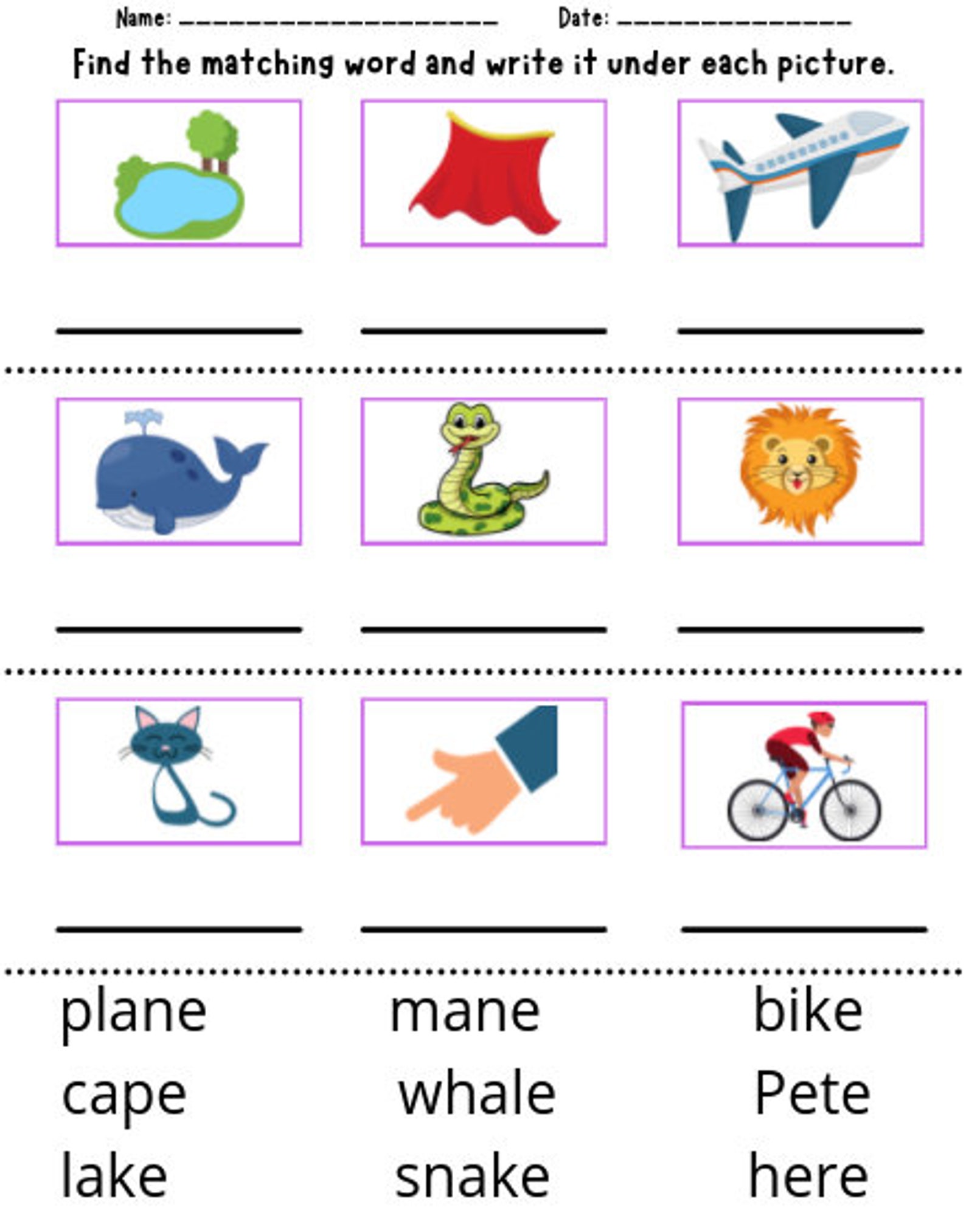
- Fill-in-the-Blank Worksheets: In these, children may be asked to fill in missing letters to complete words based on provided phonemes. For example, they might see “_at” and need to determine if it should be “cat,” “hat,” or “bat.”
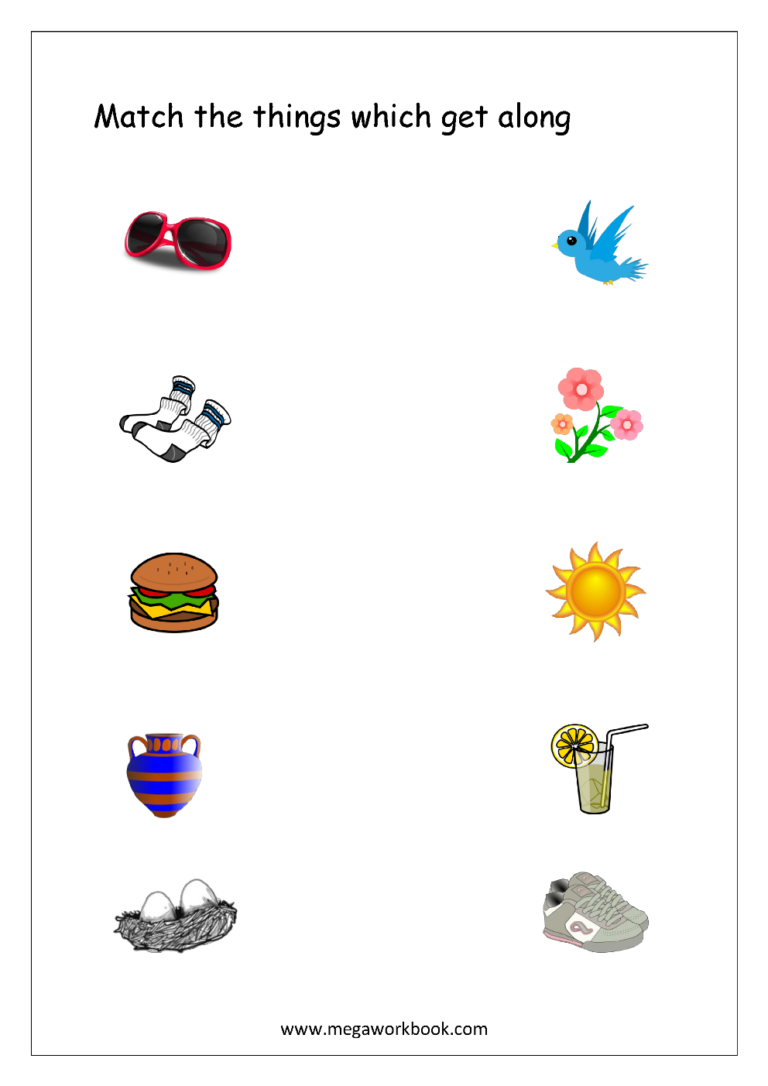
- Matching Activities: Worksheets may offer a matching game where students connect pictures with the correct phoneme or word. This helps reinforce sound recognition through visual cues.
- Interactive Worksheets: Some worksheets may include cut-and-paste activities where children can physically match sounds to images or letters. This hands-on approach can enhance engagement and retention.
Tips for Enhancing Phoneme Matching Skills
To maximize the effectiveness of First Grade Skill Worksheets Covering Phoneme Matching, consider these additional tips:
- Integrate Technology: Use educational apps or online resources that focus on phonemic awareness. Many children enjoy using technology, and this can complement traditional worksheets.
- Use Real-Life Examples: Incorporate phoneme matching into everyday conversations. For example, while reading a story, ask children to identify words that start with the same sound.
- Create a Phoneme Wall: Design a phoneme wall in your classroom or home. Display words and images that highlight different phonemes, allowing children to reference them during activities.
- Encourage Peer Learning: Pair students together to work on worksheets. This promotes collaboration and allows them to learn from one another. Peer teaching can reinforce their understanding of phoneme matching.
- Celebrate Progress: Acknowledge and celebrate when children master phoneme matching skills. This could be through stickers, certificates, or simply verbal praise. Positive reinforcement can motivate them to continue improving.
By utilizing First Grade Skill Worksheets Covering Phoneme Matching effectively, you can help your students or children develop crucial reading skills that will benefit them throughout their educational journey. Remember, the goal is not only to practice phonemes but to make the learning process enjoyable and engaging.
To get started, print out a few worksheets today, and watch as your young learners gain confidence in their phonemic awareness!