Printable Phoneme Matching Activities For Kindergarten Students
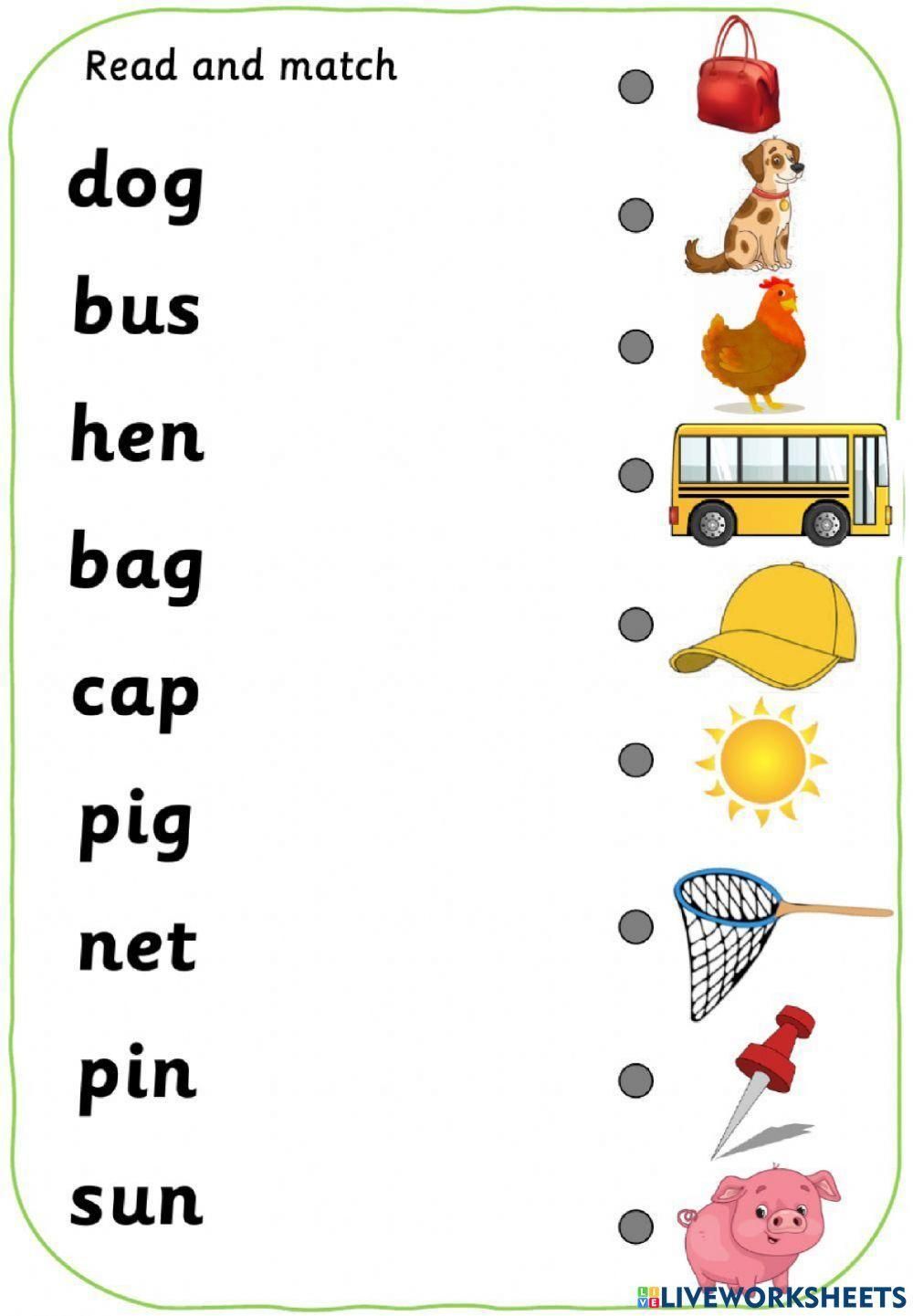
Phoneme matching activities are essential for developing early literacy skills in young learners, especially for kindergarten students. These activities help children identify and manipulate sounds in words, laying a strong foundation for reading and writing. Printable phoneme matching activities for kindergarten students can be an invaluable resource, offering hands-on practice that can easily be integrated into classroom or home learning environments.
Understanding Phonemes and Their Importance
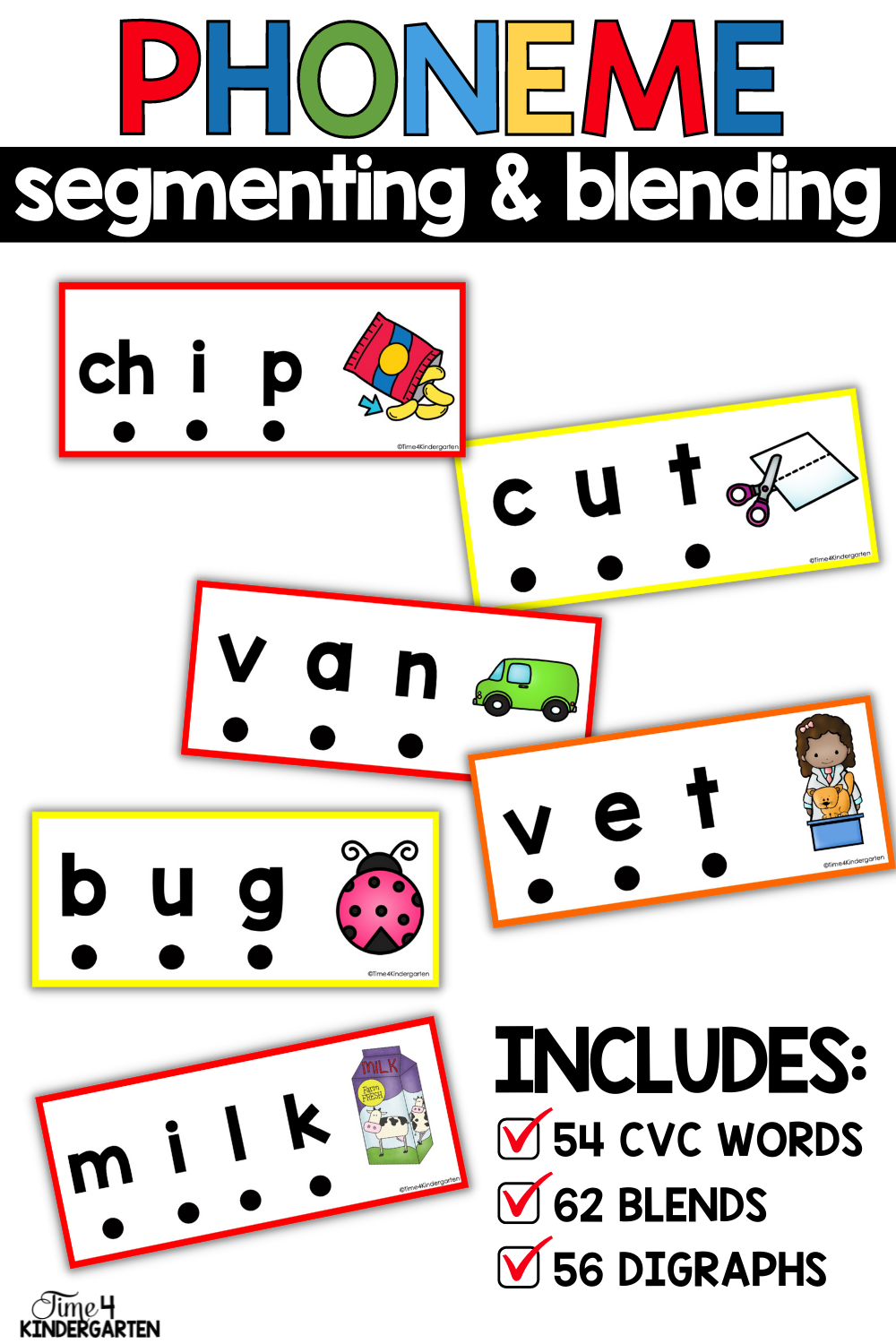
Phonemes are the smallest units of sound in a language. For example, the word “cat” consists of three phonemes: /k/, /æ/, and /t/. Recognizing and manipulating these sounds is crucial for phonemic awareness, which is a precursor to reading success. When students can hear, identify, and match phonemes, they develop skills that are vital for decoding words and understanding language.
As a teacher, providing explicit phoneme matching activities can enhance your students’ phonemic awareness, making them more confident readers. These activities are typically designed for children aged 5 to 6 years, aligning perfectly with kindergarten curricula.
Selecting the Right Printable Phoneme Matching Activities
When choosing printable phoneme matching activities, consider the following factors:
- Alignment with Learning Goals: Ensure the activities align with your curriculum standards and the specific phonemic skills you want to develop in your students.
- Engagement Level: Look for activities that are visually appealing and interactive to maintain students’ interest.
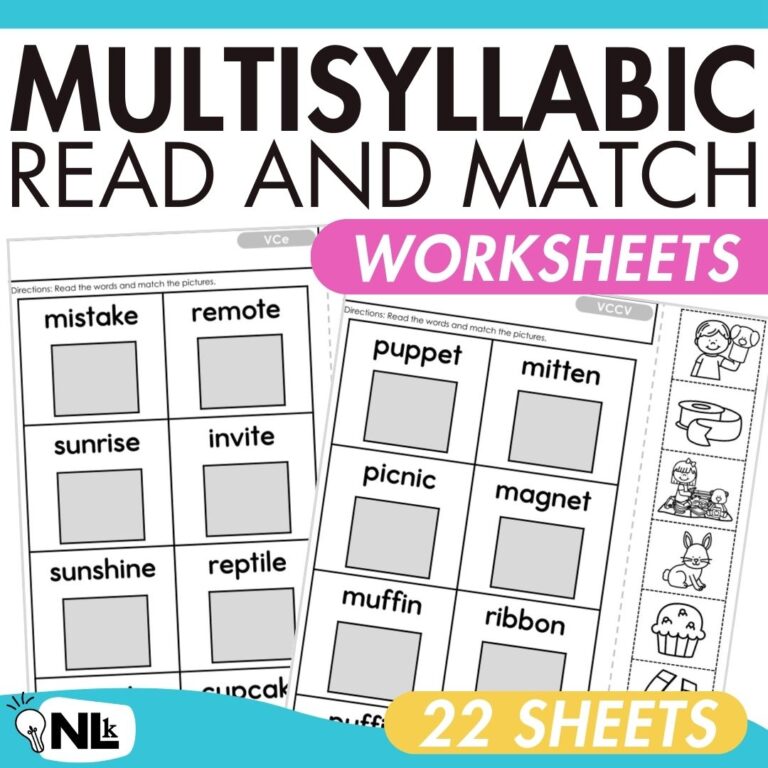
- Variety of Formats: Choose resources that offer a range of activities, such as matching sounds to images, sorting phonemes, and interactive games.
You can find a variety of printable phoneme matching activities online, often in PDF format, which makes them easy to download and print. Check for resources that provide clear instructions and answer keys, as these will facilitate classroom management and ensure effective use of the materials.
Downloading and Printing Phoneme Matching Activities
Once you’ve identified suitable printable phoneme matching activities, follow these steps to download and print them effectively:
- Download the Material: Click on the download link for the phoneme matching activities you want. Most resources will be in PDF format, which is ideal for printing.
- Check Printer Settings: Before printing, ensure your printer settings are adjusted according to the document size. Typically, standard letter size (8.5 x 11 inches) works best for classroom activities.
- Print with Care: Print in bulk if you’re distributing the activities to a full class. Use a high-quality printer to ensure clarity in images and text, which is crucial for young learners.
- Consider Cardstock: If you plan to laminate the activities for durability, consider printing on cardstock. This material holds up better over time, especially in a classroom setting where activities will be used repeatedly.
- Organize the Activities: Once printed, organize the phoneme matching activities into folders or binders for easy access. This will streamline your lesson planning and make it easier for students to find the activities they need.
Setting Up the Activities in the Classroom
To maximize the effectiveness of your phoneme matching activities, it’s essential to set them up thoughtfully in the classroom:
- Create Learning Stations: Set up different stations around the classroom, each focusing on a specific phoneme or sound group. This encourages movement and keeps students engaged.
- Use Small Groups: Divide students into small groups to foster collaboration. This allows them to discuss their thought processes while completing the activities, enhancing their learning experience.
- Incorporate Technology: If possible, integrate technology by using tablets or computers alongside the printable materials. There are many digital resources that complement phoneme matching activities, providing additional practice.
- Monitor Progress: As students work through the activities, circulate around the room to observe their progress. Take notes on individual students’ strengths and areas for improvement, which can guide your future instruction.
- Provide Feedback: After the activities, hold a class discussion to review answers. This is an opportunity for students to share their thought processes and for you to provide constructive feedback.
Assessing Phonemic Awareness Progress
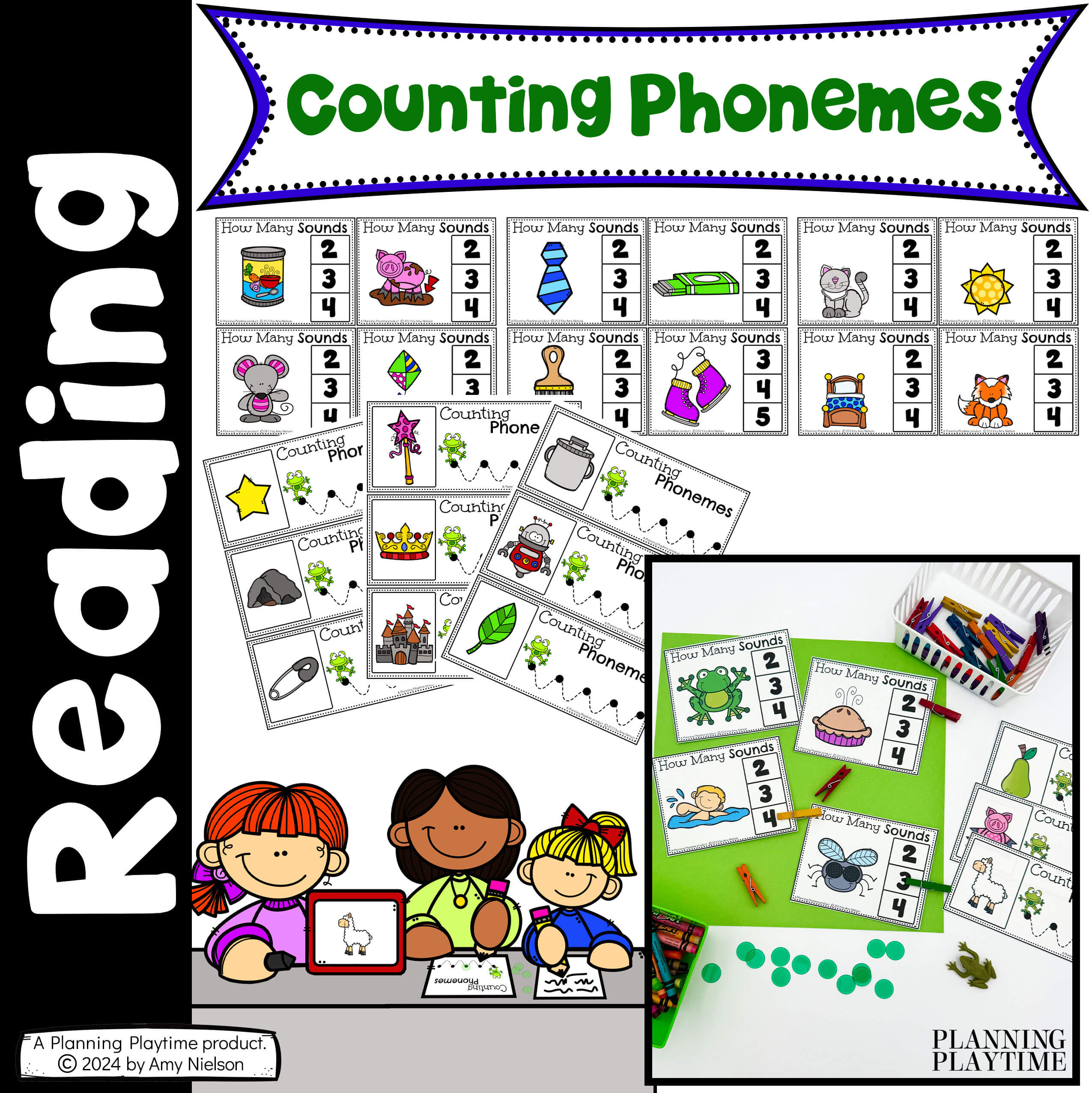
To ensure that your students are benefiting from the phoneme matching activities, regular assessment is key:
- Observation: Pay close attention to how well students can match sounds to words. Take notes on their ability to identify phonemes correctly.
- Informal Assessments: Use quick, informal assessments such as one-on-one check-ins or small group discussions to gauge understanding.
- Formal Assessments: Incorporate phonemic awareness assessments periodically to track progress over time. These can be simple quizzes or structured activities.
Keep in mind that phonemic awareness is a skill that develops over time. Celebrate small victories and provide additional support as needed.
By integrating printable phoneme matching activities into your teaching, you can create a dynamic learning environment that fosters phonemic awareness in kindergarten students. These activities not only enhance literacy skills but also provide a fun and engaging way for children to explore the sounds of language.
The most effective phoneme matching activities are those that allow for both individual practice and collaborative learning, making them a valuable addition to your teaching toolkit.