Printable Middle School Classroom Coin Equivalence Activities
Teaching coin equivalence can be a fun and interactive experience in middle school classrooms. Printable Middle School Classroom Coin Equivalence Activities are designed to help students grasp the concept of different coin values and their equivalences in a hands-on way. This resource offers a variety of activities that can be easily integrated into your lesson plans, If you are teaching in a traditional classroom or a homeschool setting.
Understanding Coin Equivalence
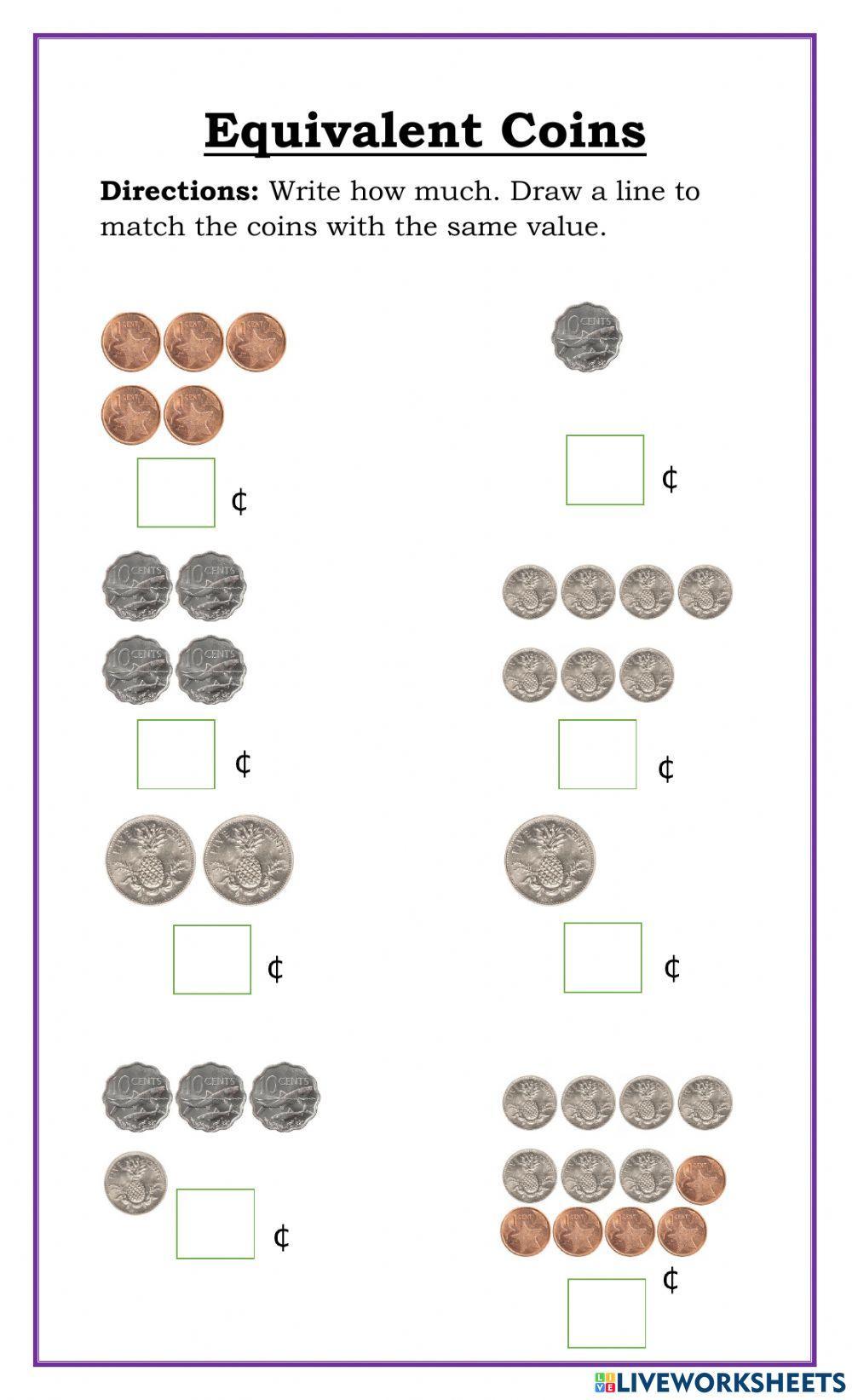
Coin equivalence refers to recognizing that different coins can represent the same value. For example, two quarters equal fifty cents, just as five dimes do. Understanding this concept is essential for students as they learn about money management, budgeting, and real-world math applications. By using printable activities, you can visually demonstrate these relationships, making the lesson more engaging and memorable.
Printable Activities for Coin Equivalence
Worksheets and Templates
Worksheets are a staple in classroom resources. By utilizing printable worksheets focused on coin equivalence, students can practice identifying and adding various coins. Look for worksheets that include:
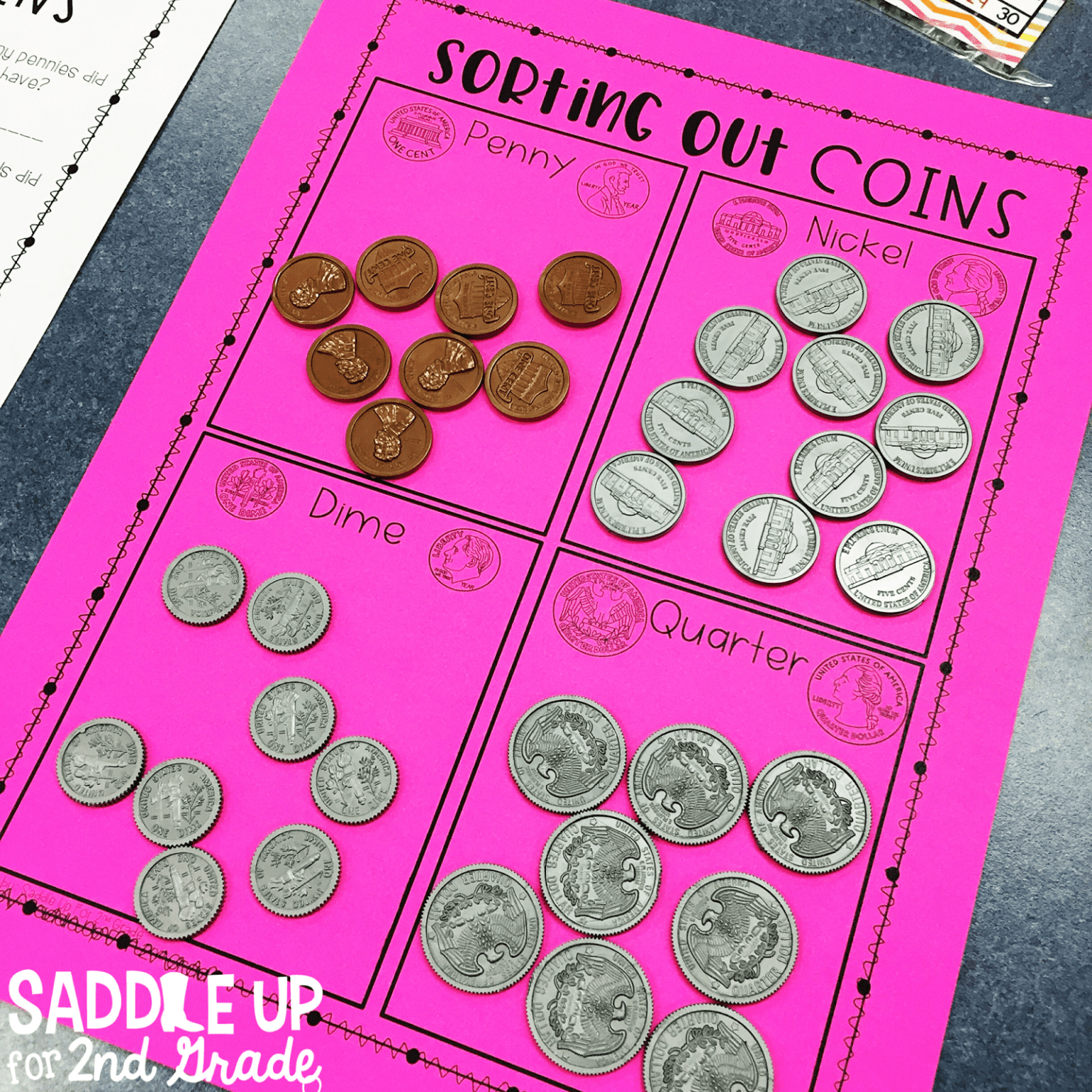
- Coin identification exercises: Students can match coins to their values or sort them into groups based on their worth.
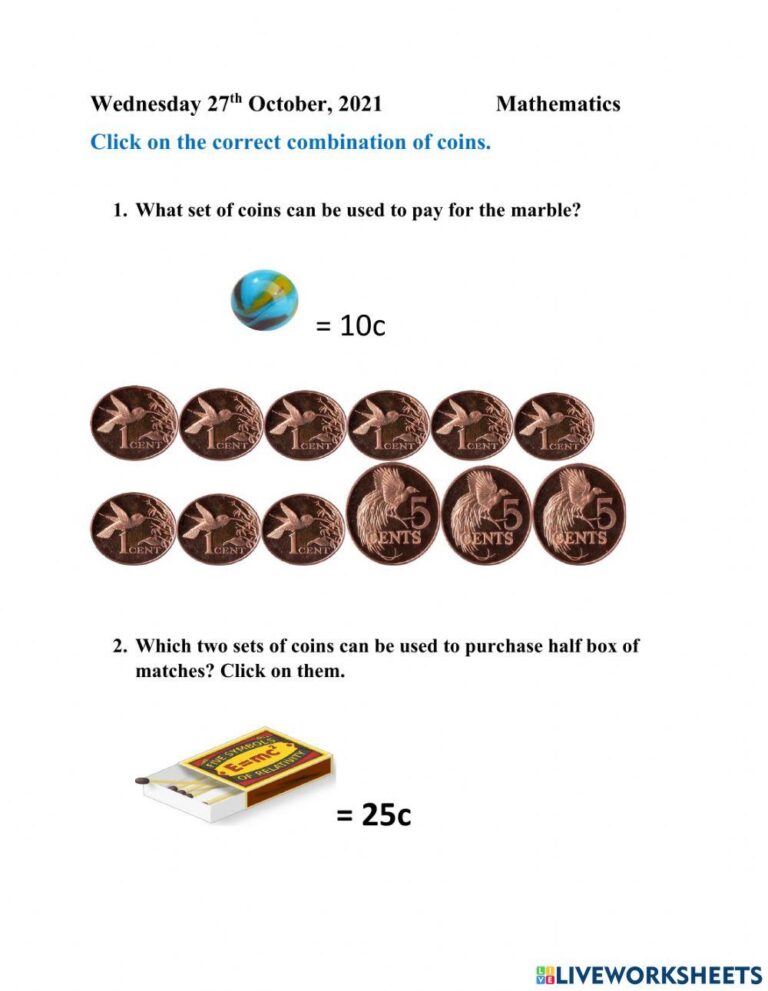
- Word problems: Incorporate real-life scenarios that require students to calculate total amounts using different combinations of coins.
- Equivalence challenges: Create exercises where students must find multiple ways to make the same amount using different coins.
These worksheets can be printed in various formats, such as portrait or landscape, depending on your classroom needs. Cardstock is recommended for durability, especially if you plan to laminate them for repeated use.
Interactive Games
Games are a fantastic way to reinforce learning while keeping students engaged. Printable coin equivalence games can include:
- Bingo: Create bingo cards featuring different coin combinations. Call out a value, and students must cover the corresponding coin combination on their cards.
- Matching games: Design cards with various coins on one set and their equivalent values on another. Students can play in pairs or small groups to match coins with their values.
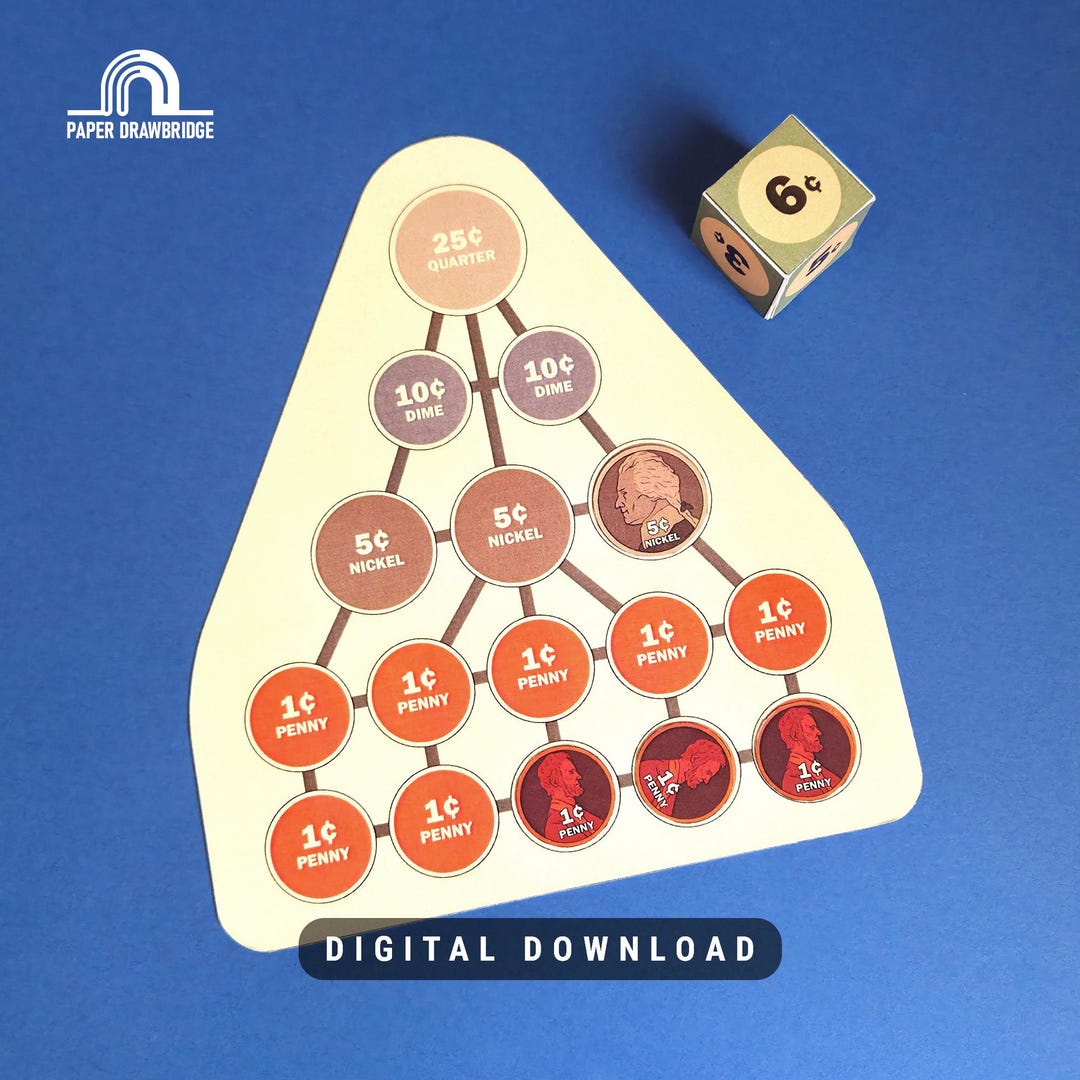
- Board games: Develop a simple board game where students move around the board by answering coin equivalence questions correctly.
These games not only make learning fun but also foster teamwork and communication skills among students.
Incorporating Technology
While printable resources are invaluable, technology can also enhance the learning experience. Consider using online platforms or apps that offer interactive coin equivalence activities. These can provide instant feedback and allow students to practice at their own pace. Some available options include:
- Virtual coin manipulatives: Allow students to drag and drop virtual coins to create specific amounts.
- Interactive quizzes: Use quizzes that adapt to the student’s level, ensuring they are challenged appropriately.
- Digital worksheets: Many websites offer printable worksheets that can be completed online, providing an alternative for tech-savvy learners.
Integrating technology can complement your printable resources and cater to different learning styles in your classroom.
Assessing Understanding
To check if students have mastered coin equivalence, you can use a variety of assessment methods:
- Observational assessments: Walk around the classroom as students work on activities. Take notes on their understanding and ability to apply concepts in real-time.
- Quizzes and tests: Create a short quiz that includes both multiple-choice and open-ended questions about coin equivalence.
- Student presentations: Have students present their findings from worksheets or games. This can help you gauge their comprehension and ability to explain the concepts to their peers.
Understanding what mastery looks like is crucial. Students should be able to confidently identify coins, calculate their total values, and express equivalences with ease. If students struggle, consider revisiting the activities or providing additional practice.
Practical Tips for Implementation
When implementing these activities, keep the following tips in mind to maximize their effectiveness:
- Set clear objectives: Before starting, outline what you want students to learn. This will help focus your activities and assessments.
- Be flexible: Adapt the activities based on your students’ needs. Some may require more time with basic concepts, while others might be ready for advanced challenges.
- Encourage collaboration: Pair students for activities to promote discussion and peer learning. This can often lead to deeper understanding and retention of concepts.
By using these practical strategies, you can create a supportive environment where students feel comfortable exploring coin equivalence.