First Grade Division Equal Sharing Review Worksheets
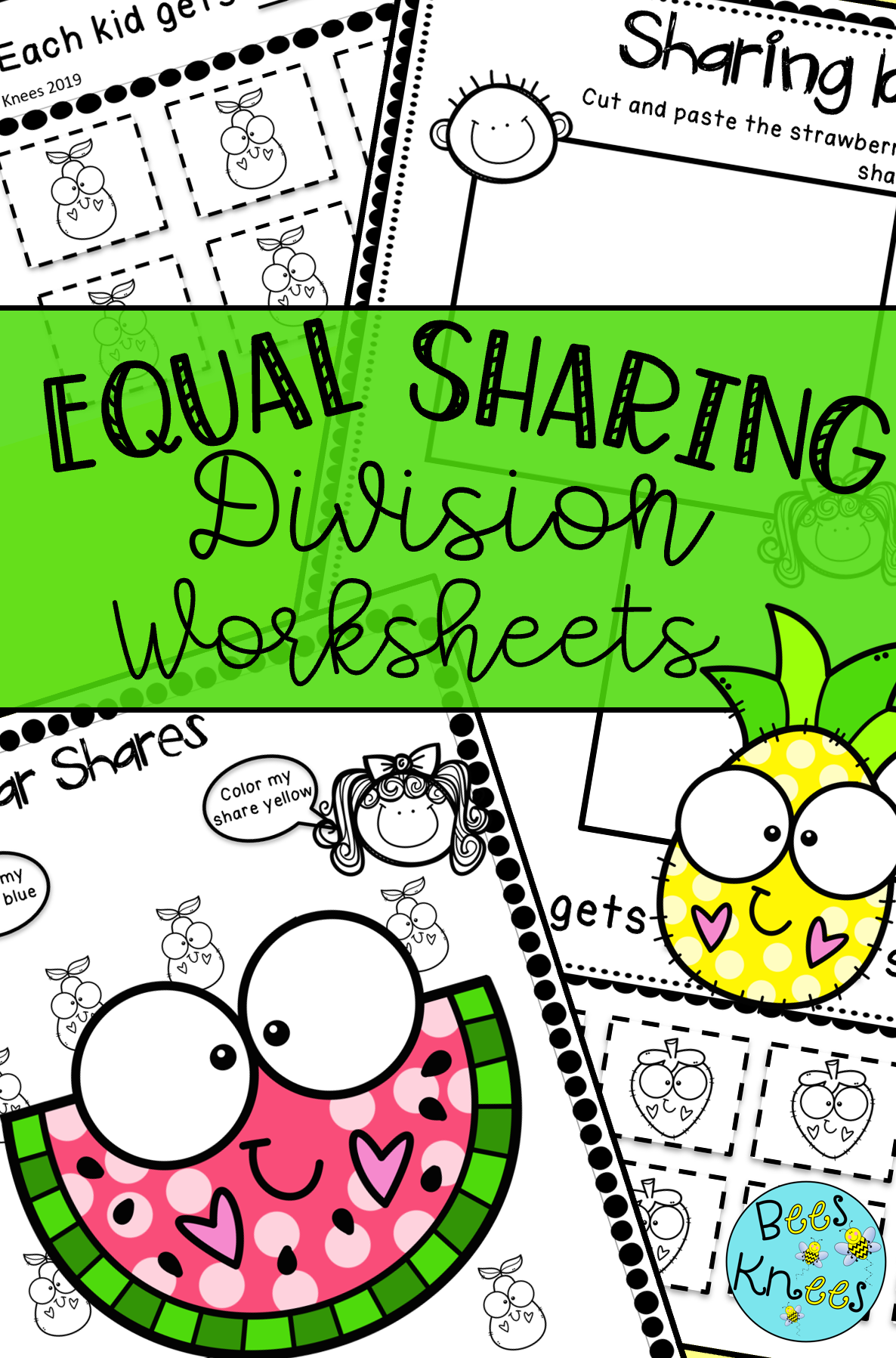
Understanding division can be a challenge for first graders, especially when it comes to concepts like equal sharing. First Grade Division Equal Sharing Review Worksheets are designed to help students grasp these foundational math skills in a clear and engaging way. These worksheets provide various exercises that break down division into manageable steps, making learning both fun and effective.
The Importance of Equal Sharing in Division
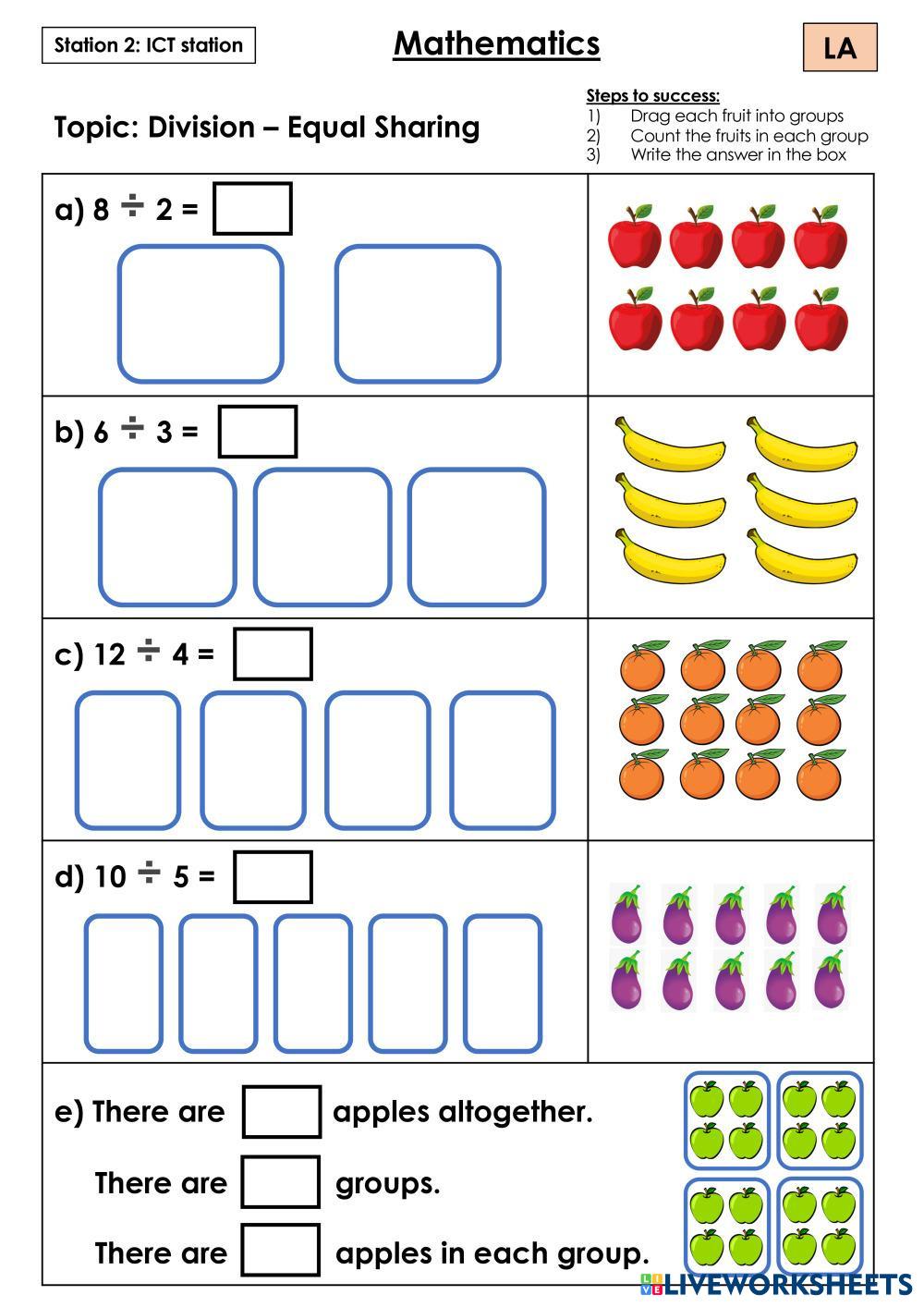
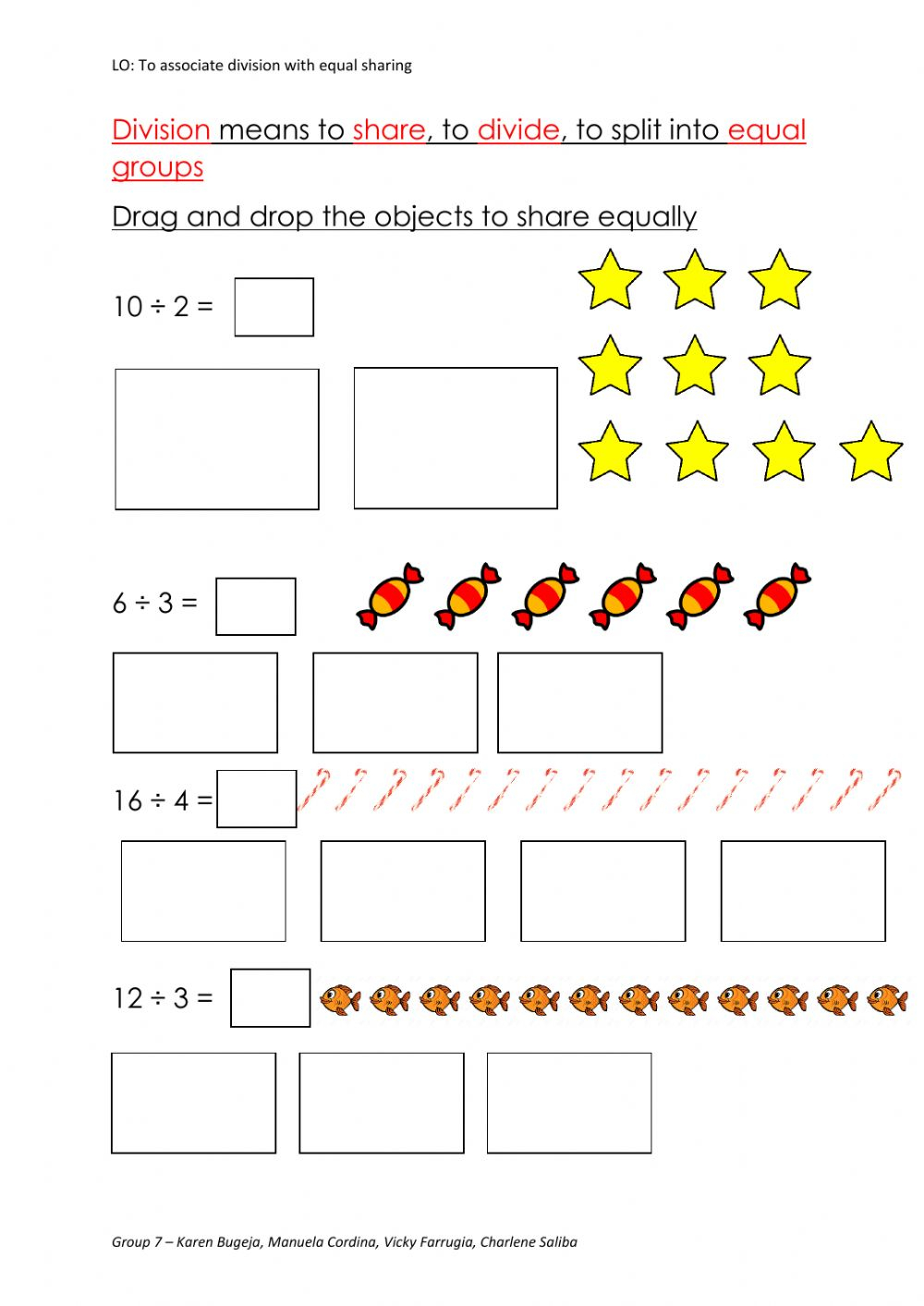
At its core, division is about understanding how to share items equally among groups. This concept lays the groundwork for more advanced mathematical operations in later grades. By using equal sharing in division, students learn to visualize problems, which is crucial for their overall mathematical development.
For example, consider a scenario where you have 12 apples and need to divide them among 4 friends. The idea of equal sharing helps students understand that each friend would receive 3 apples. This simple exercise not only reinforces the division concept but also encourages teamwork and communication among peers.
How to Use First Grade Division Equal Sharing Review Worksheets
These worksheets can be easily incorporated into both classroom and home learning environments. Here are some practical tips for using these resources effectively:
- Print in Bulk: If you’re a teacher, printing these worksheets for the entire class can save time and ensure everyone has the same materials. Consider using a portrait layout for better readability on standard letter-sized paper.
- Set Clear Objectives: Before distributing the worksheets, explain the goal of the lesson. For instance, you might say, “Today, we’ll practice dividing objects into equal groups so everyone gets the same amount.”
- Incorporate Hands-On Activities: To reinforce concepts from the worksheets, have students physically divide objects (like counters or blocks) into groups. This hands-on approach can enhance understanding and retention.
- Review as a Group: After students complete the worksheets, gather them for a group review. Discuss the answers and encourage students to explain their thought processes. This can help clarify any misunderstandings.
- Use Answer Keys for Quick Grading: Having an answer key handy allows for quick feedback, which is essential in a classroom setting. It helps you identify which students may need additional support.
Features of the Worksheets
First Grade Division Equal Sharing Review Worksheets often come with a variety of features designed to engage young learners:
- Visual Aids: Many worksheets include pictures or diagrams that illustrate division problems. These visuals can help students better understand the concept of equal sharing.
- Varied Difficulty Levels: Worksheets typically offer problems ranging from simple (e.g., 6 ÷ 2) to slightly more complex (e.g., 8 ÷ 4). This allows for differentiation in instruction, catering to students at different skill levels.
- Clear Instructions: Each worksheet includes straightforward directions, making it easy for both teachers and students to follow along without confusion.
- Fun Themes: Incorporating themes like animals, food, or sports can make the worksheets more engaging. Students are often more motivated to complete their work when it’s tied to their interests.
Tips for Effective Teaching With Division Worksheets
To maximize the effectiveness of First Grade Division Equal Sharing Review Worksheets, consider these teaching strategies:
- Encourage Peer Collaboration: Pair students up to work on the worksheets together. This promotes discussion and can help them learn from one another.
- Incorporate Technology: If you have access to tablets or computers, consider using online resources that complement the worksheets. Interactive games can reinforce the same division concepts in a different format.
- Regularly Assess Understanding: Use informal assessments, like quick quizzes or verbal checks, to gauge how well students are grasping the concept. This can help you adjust your teaching methods as needed.
- Celebrate Progress: Recognize students’ efforts and improvements in division skills. Simple rewards or praise can motivate them to continue working hard.
Making Division Fun and Engaging
Teaching division through equal sharing can be made fun by incorporating games or challenges. Consider these activities:
- Division Bingo: Create bingo cards with division problems and call out the answers. Students can mark their cards as they solve problems, making it a fun, competitive activity.
- Group Projects: Have students work in groups to create a project that involves division. For example, they could plan a party and figure out how many treats to buy for each guest.
- Story Problems: Encourage students to create their own division story problems based on real-life scenarios. This not only helps with understanding division but also enhances their creative thinking.
By integrating these engaging methods, you can help foster a positive learning environment that encourages curiosity and excitement about math.
Resources for Further Learning
In addition to the First Grade Division Equal Sharing Review Worksheets, there are many other resources available to support your teaching efforts:
- Online Printable Worksheets: Websites offering free or low-cost printable worksheets can provide additional practice for students who need more reinforcement.
- Math Games: Look for educational games that focus on division and can be played in the classroom or at home. Many apps and websites offer interactive math games tailored to first graders.
- Parent Guides: Providing parents with resources or guides can help them support their child’s learning at home. Consider sharing tips on how they can reinforce division concepts during everyday activities.
Using First Grade Division Equal Sharing Review Worksheets can significantly enhance students’ understanding of division. By making the learning process interactive and enjoyable, you’ll help your students build a strong mathematical foundation.
As you prepare these worksheets, remember to choose quality paper for printing. Cardstock works well for durability, especially if the worksheets will be reused or laminated. This small detail can make a big difference in the longevity of your teaching materials.