Maths Worksheet For Class 1 And 2
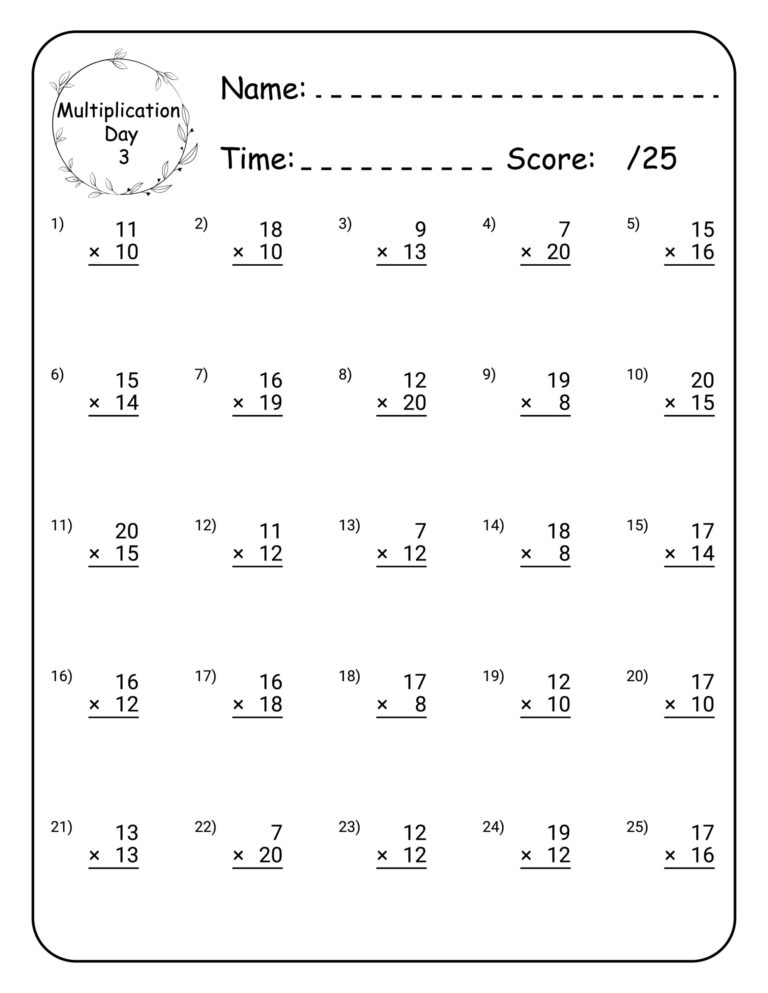
Engaging students in mathematics from an early age is crucial for developing their critical thinking and problem-solving skills. Interactive learning tools, such as worksheets, play a significant role in enhancing the educational experience for children in grades 1 and 2. These resources not only make learning enjoyable but also help reinforce foundational math skills essential for future academic success.
Types of Maths Worksheets
There are various types of math worksheets that cater to different concepts and skills. Here are some examples:
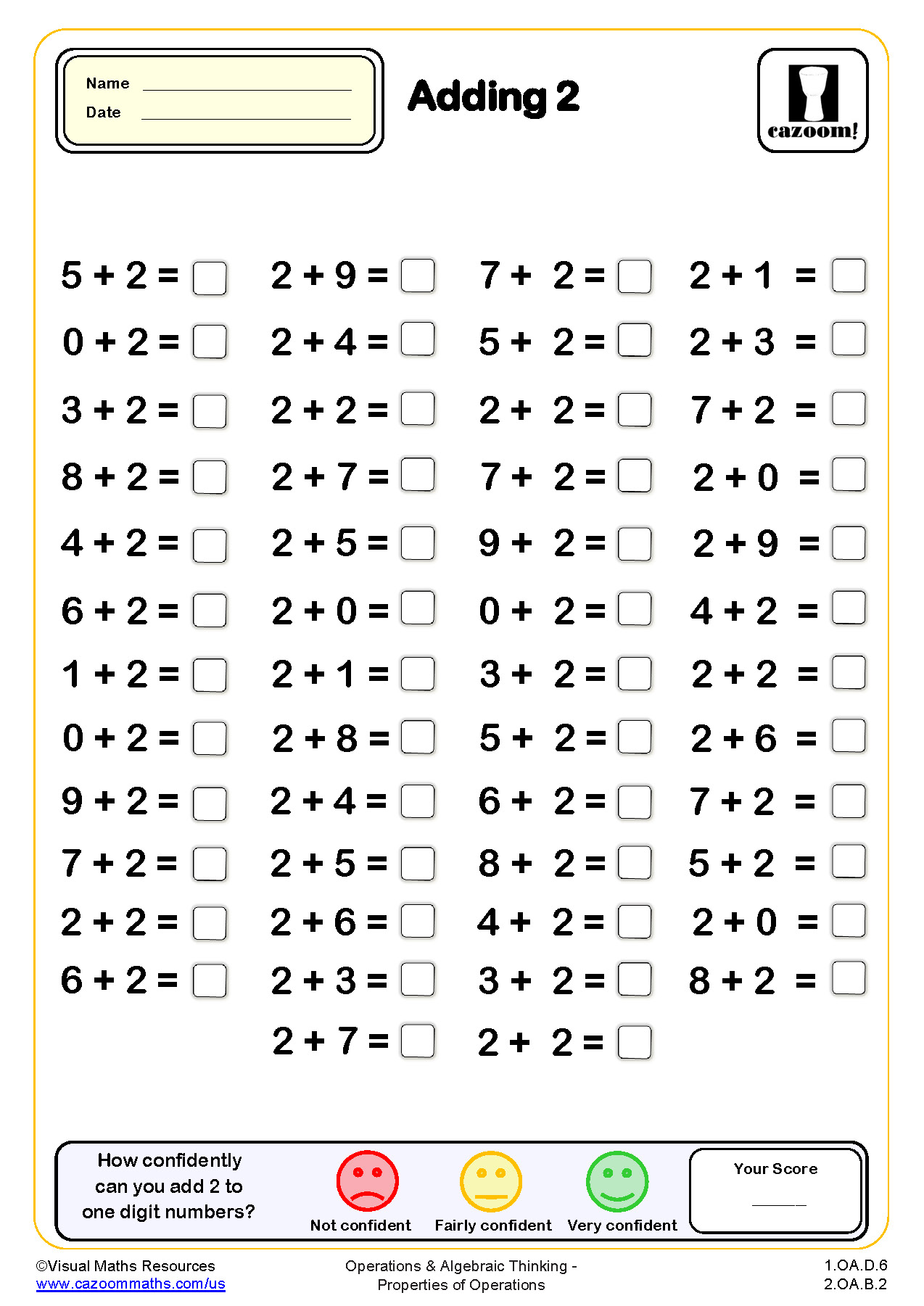
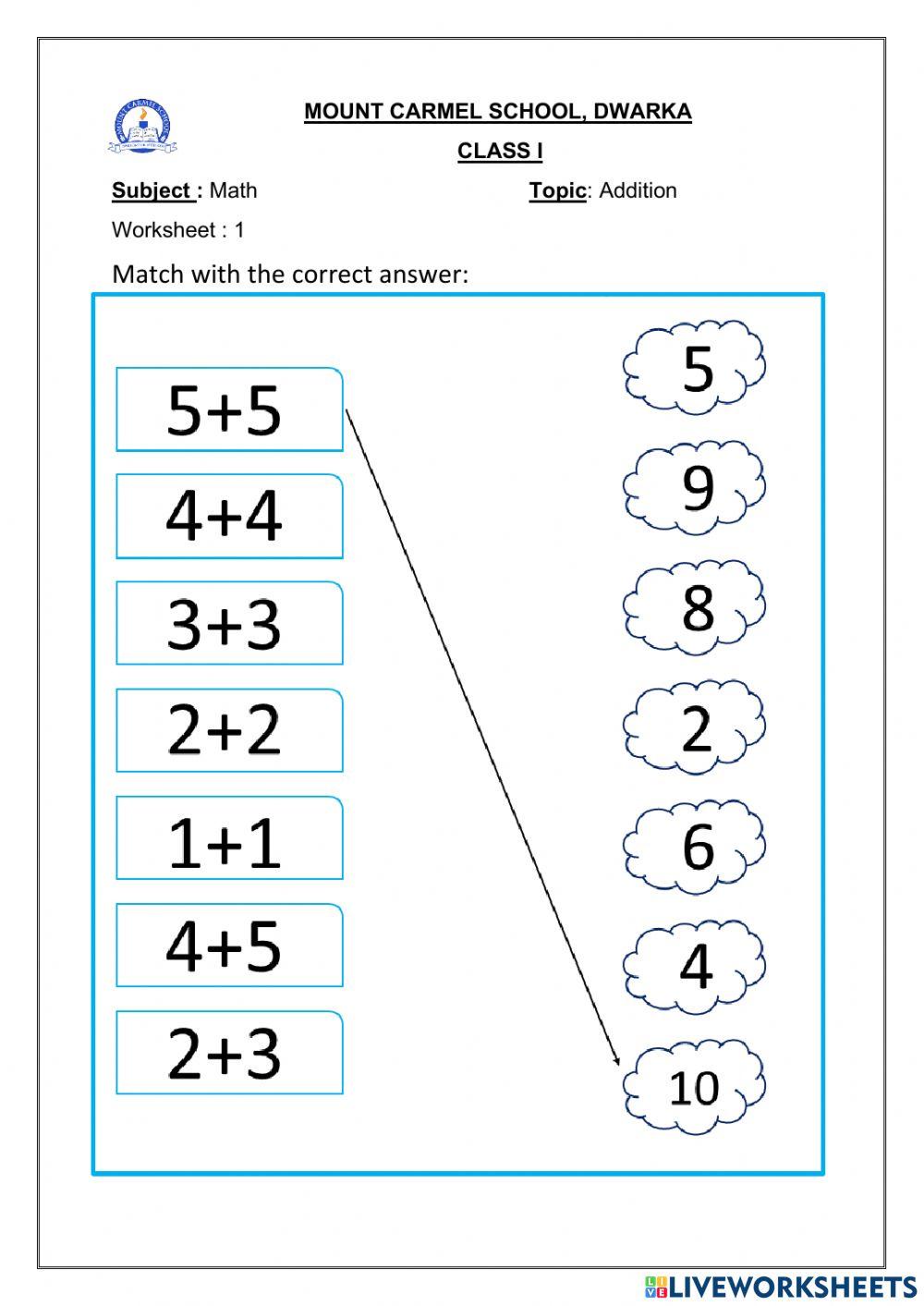
- Addition Worksheets: Simple problems that help students practice adding numbers, such as “2 + 3 = ?”.
- Subtraction Worksheets: Exercises focused on subtracting numbers, like “5 – 2 = ?”.
- Shapes Worksheets: Activities that involve identifying and drawing shapes, such as circles, squares, and triangles.
- Patterns Worksheets: Tasks that require students to recognize and complete patterns using colors or shapes.
- Word Problems: Scenarios that encourage students to apply math skills in real-life situations, like “If you have 3 apples and get 2 more, how many do you have?”
Benefits of Using Worksheets
Worksheets offer numerous benefits for young learners:
- Improved Math Fluency: Regular practice helps students become more comfortable with numbers and operations.
- Reinforcement of Classroom Learning: Worksheets can complement lessons taught in class, providing additional practice.
- Fun Learning Experience: Engaging designs and interactive elements can make math enjoyable for children.
Creating Effective Worksheets
When designing worksheets, consider the following tips to ensure they are engaging and appropriate for young learners:
- Simplicity: Use clear instructions and simple language to avoid confusion.
- Aesthetics: Incorporate colorful visuals and appealing layouts to capture students’ attention.
- Diverse Activities: Include a mix of question types to cater to different learning styles, such as visual, auditory, and kinesthetic learners.
- Progressive Difficulty: Start with easier problems and gradually increase complexity to build confidence.
Incorporating Real-Life Applications
To enhance understanding, incorporate practical math problems related to everyday life. Here are some suggestions:
- Shopping Scenarios: Ask questions about prices and change when buying items.
- Cooking Measurements: Use recipes to teach fractions and measurements.
- Time Management: Discuss schedules and time-related questions to develop time-telling skills.
Resources for Downloadable Worksheets
Here is a curated list of websites where teachers and parents can find free or affordable worksheets tailored for Class 1 and 2:
In conclusion, utilizing engaging math worksheets can significantly support a child’s learning journey in mathematics. By incorporating these resources into daily practice, parents and educators can foster a love for math while ensuring proficiency through consistent practice. Start exploring these worksheets today to enhance your child’s mathematical skills!