Some Friendly Advice Math Worksheet Answers
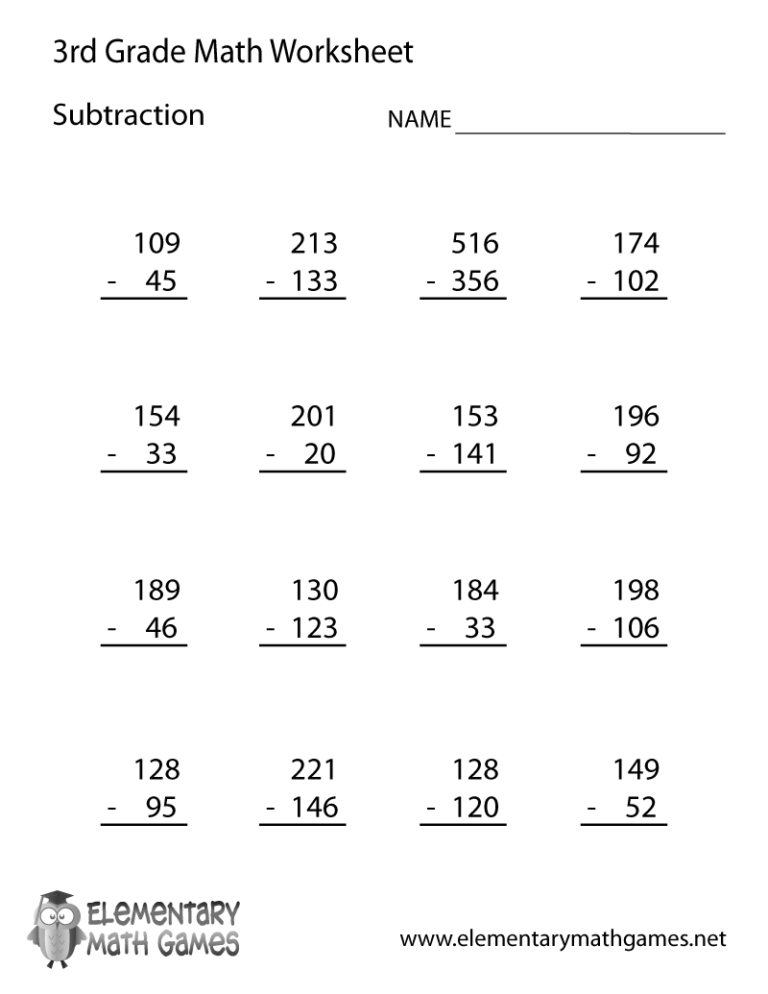
Math worksheets play a crucial role in educational settings, serving as tools for reinforcing concepts and aiding students in comprehending their homework. They provide structured practice that helps solidify understanding and build confidence in mathematical skills.
Understanding the Worksheet
The primary purpose of math worksheets is to offer students a platform to practice and apply what they have learned in class. They help identify areas where students may struggle, allowing for targeted instruction and support. Worksheets can also serve as a valuable resource for teachers to assess student progress.
Step-by-Step Solutions
Common problems found in “Some Friendly Advice” math worksheets often include word problems, equations, and graphing tasks. Here’s how to approach these:
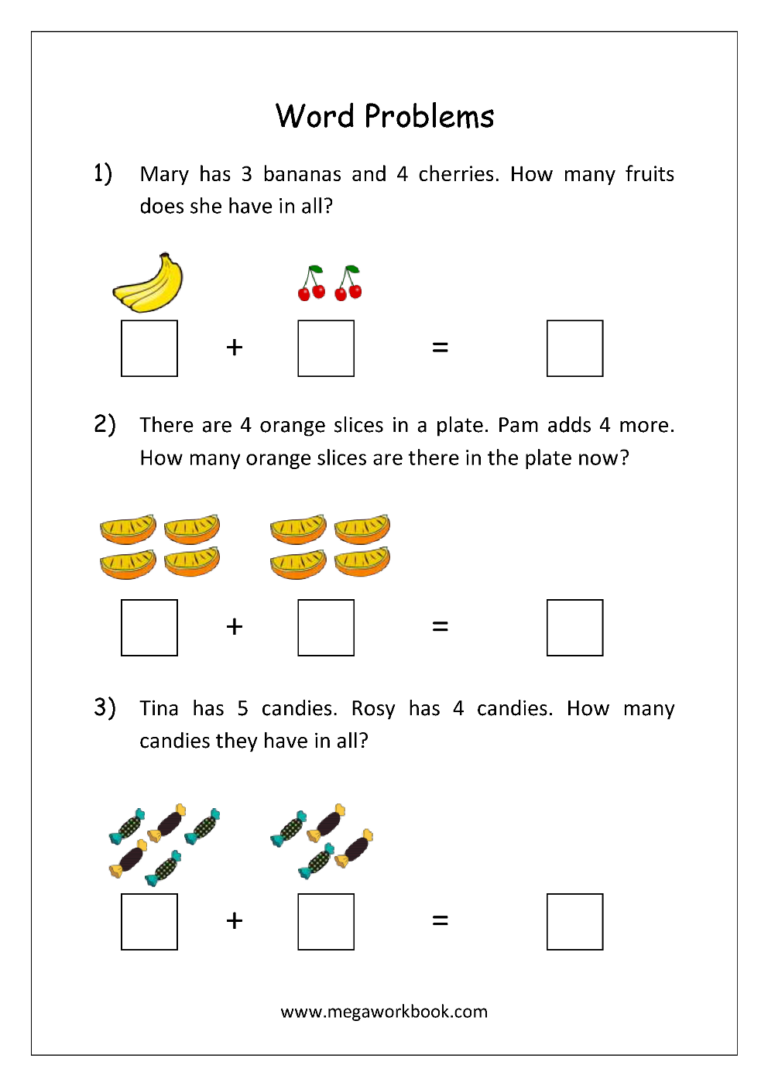
- Word Problems: Read the problem carefully, identify key information, and translate it into mathematical expressions.
- Equations: Isolate the variable by performing inverse operations on both sides of the equation.
- Graphing: Plot points accurately on a coordinate plane, ensuring to label axes correctly.
Helpful Tips for Students
- Time Management: Allocate specific time slots for each worksheet to avoid feeling overwhelmed.
- Break Down Complex Problems: Divide larger problems into smaller, manageable steps.
- Utilize Online Resources: Websites like Khan Academy and YouTube offer tutorials that can clarify difficult concepts.
Advice for Educators
Teachers can utilize worksheet answers as teaching tools by:
- Providing Constructive Feedback: Highlight what students did well and where they can improve.
- Encouraging Engagement: Foster discussions around worksheet problems to deepen understanding.
Resources for Further Learning
Here are some recommended platforms and materials:
- Khan Academy – Comprehensive video tutorials and practice exercises.
- IXL – Personalized learning plans with interactive questions.
- “Math Made Easy” – Textbooks that simplify complex topics.
Common Mistakes to Avoid
Students often encounter pitfalls such as:
- Poor Reading Comprehension: Misinterpreting the problem can lead to incorrect solutions. Encourage careful reading.
- Lack of Organization: Disorganized work can result in mistakes. Teach students to lay out their work clearly.
- Simplifying Too Early: Remind students to keep equations intact until they fully understand the problem.
Interactive Elements
Incorporating interactive activities can enhance learning. Consider these ideas:
- Math Games: Use online platforms like Prodigy or Kahoot! for engaging quizzes.
- Group Challenges: Organize team-based problem-solving sessions to foster collaboration.