Example Of Drill Work In Mathematics
Drill work in mathematics refers to repetitive practice exercises designed to reinforce specific skills and concepts. This method is significant as it helps students improve their problem-solving speed and solidify their understanding of mathematical principles. By engaging in drill work, learners can enhance their fluency in various mathematical operations, which is essential for tackling more complex problems.
Examples of Drill Exercises
Addition and Subtraction
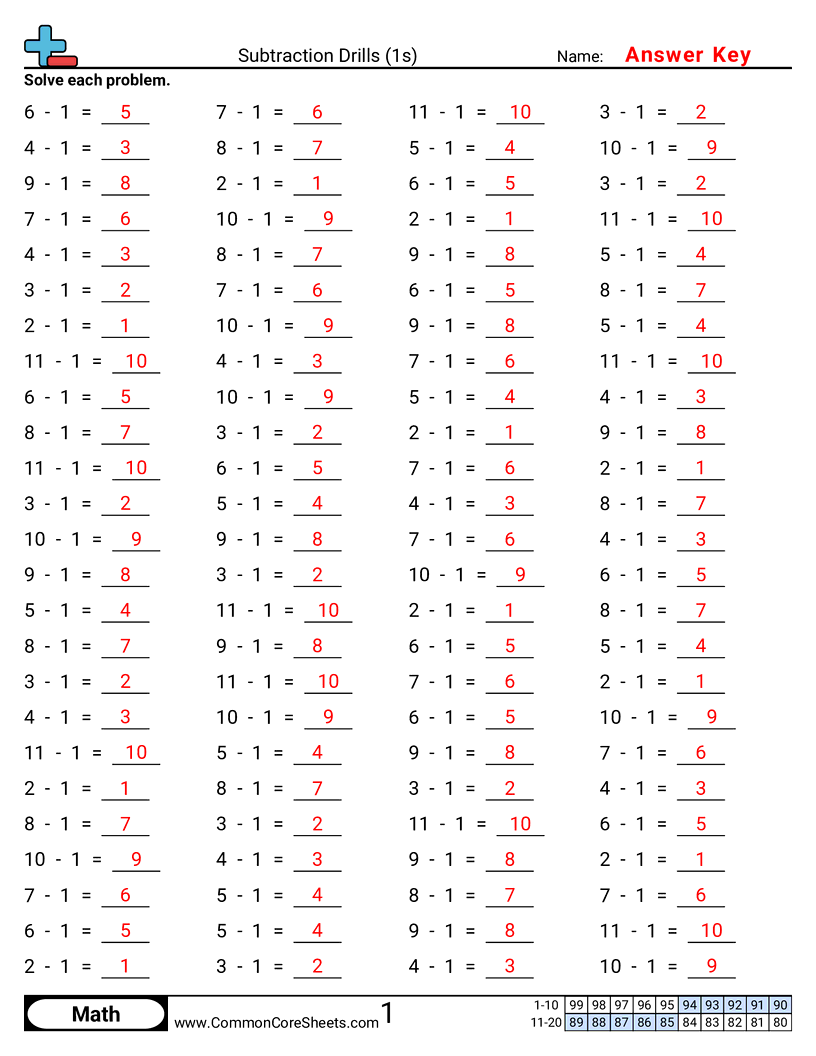
- Flashcards with simple addition and subtraction problems.
- Timed quizzes that challenge students to solve a set number of problems within a specific timeframe.
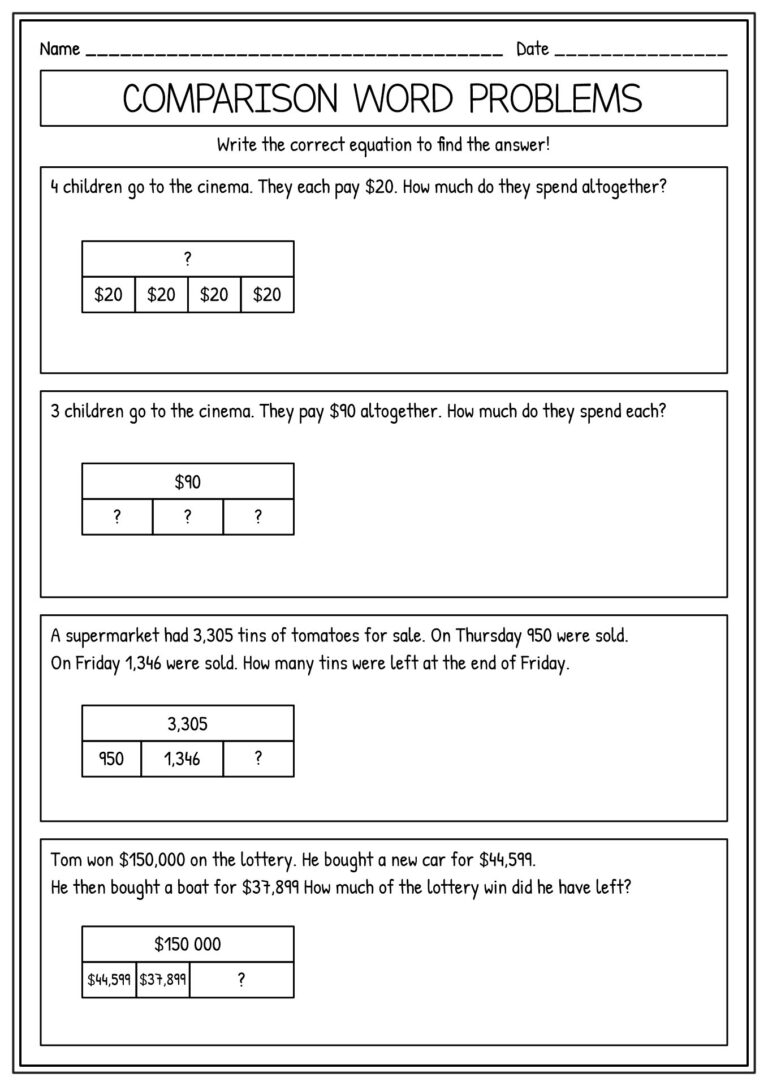
- Worksheets with varying levels of difficulty, including word problems that require addition or subtraction.
Multiplication and Division
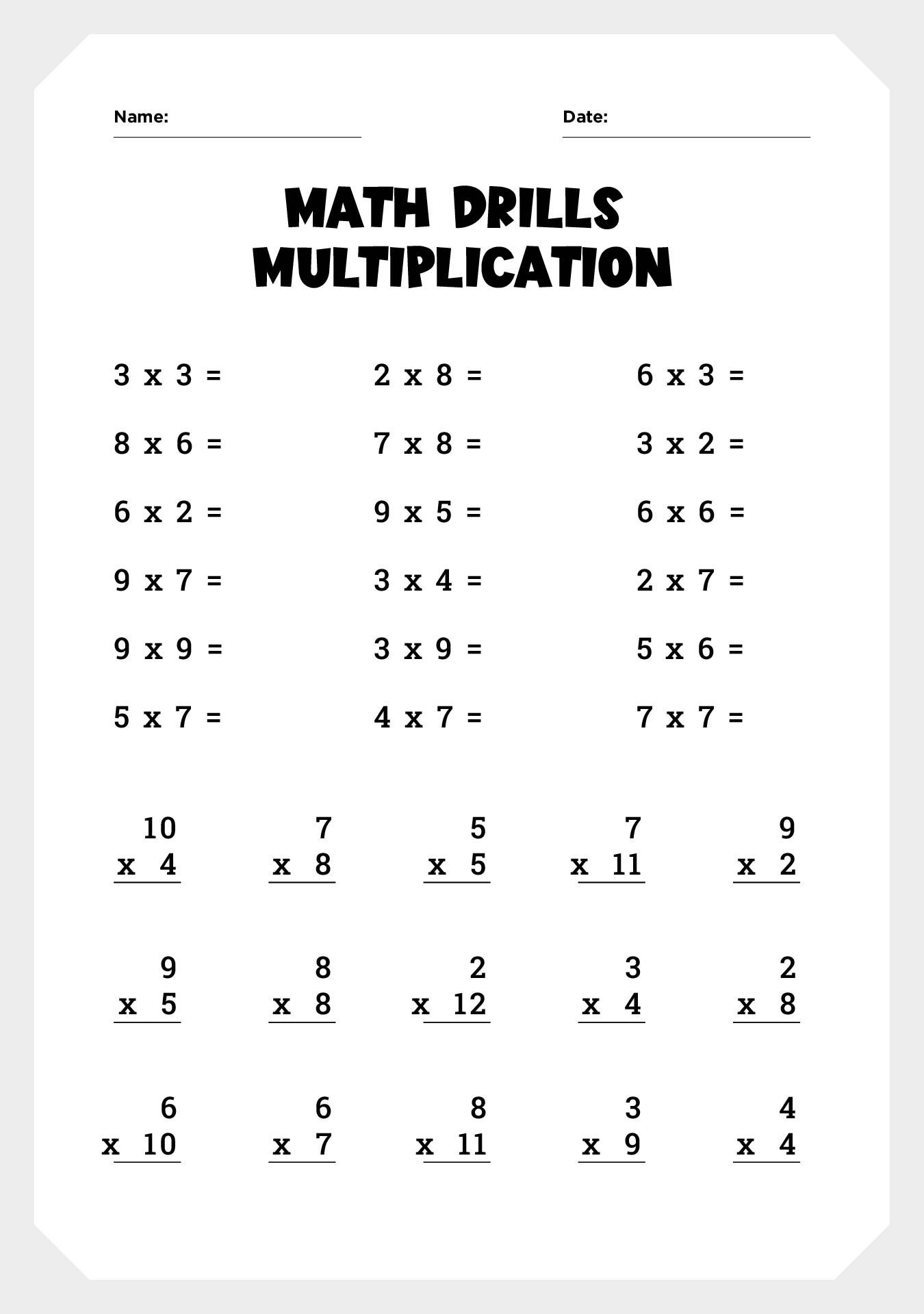
- Multiplication tables for memorization and quick recall.
- Division drills that include long division and basic division facts.
- Interactive games that allow students to practice multiplication and division in a fun context.
Fractions
- Worksheets that focus on adding, subtracting, multiplying, and dividing fractions.
- Visual aids such as fraction circles or bars to help conceptualize operations with fractions.
- Online quizzes that provide instant feedback on fraction problems.
Geometry
- Worksheets that require identifying shapes, calculating area, and perimeter.
- Puzzles that involve geometric transformations or properties of shapes.
- Interactive software that allows students to manipulate shapes and explore geometric concepts.
Formats for Drill Work
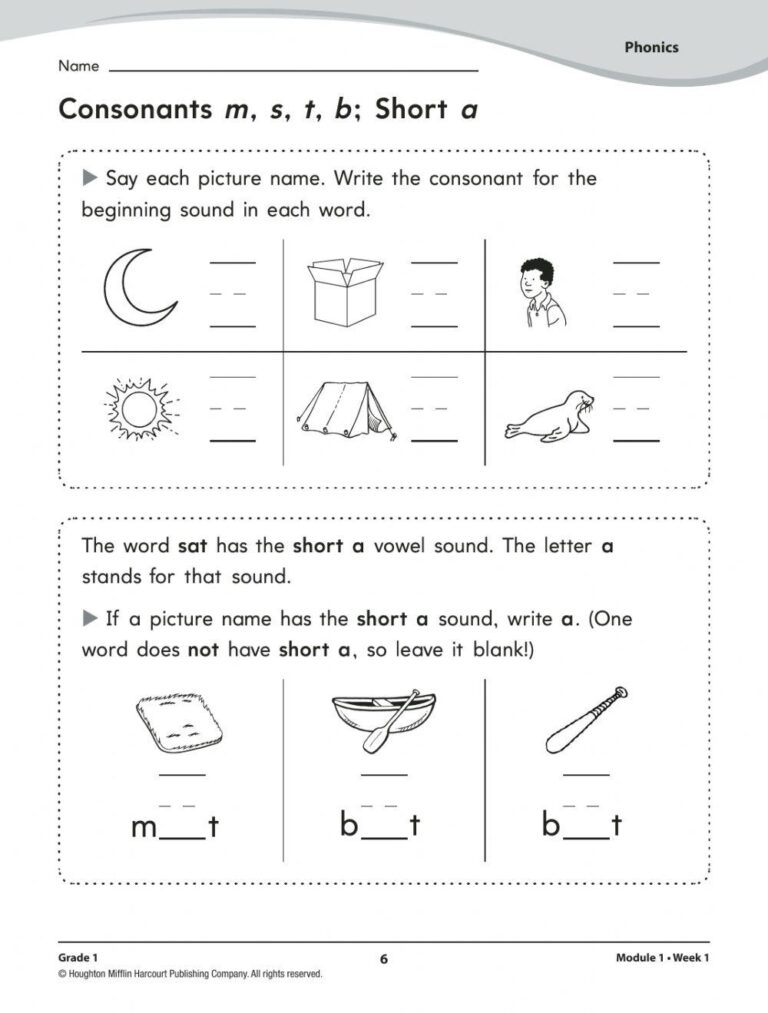
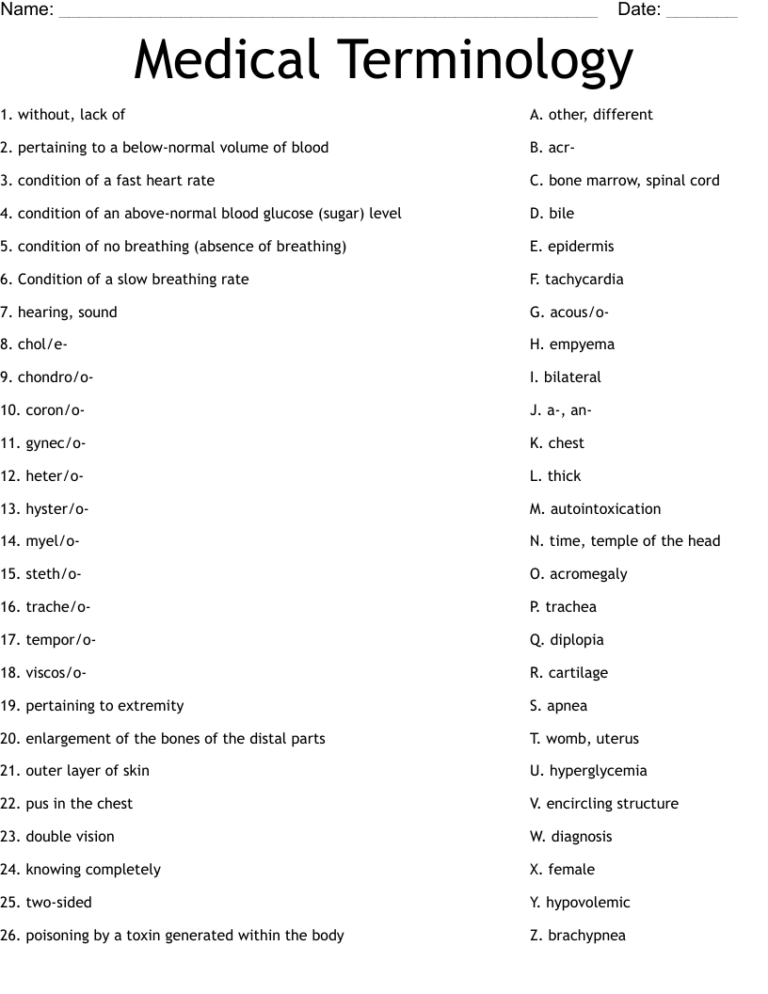
- Worksheets: Traditional paper-based exercises that can be tailored to different skill levels.
- Online Resources: Websites offering interactive drills and games that adapt to student performance.
- Interactive Games: Engaging platforms where students can practice math skills through play.
Creating a Balanced Drill Regimen
A balanced drill regimen should include both basic drills for foundational skills and advanced problem sets for higher-level thinking. To avoid rote memorization, incorporate the following strategies:
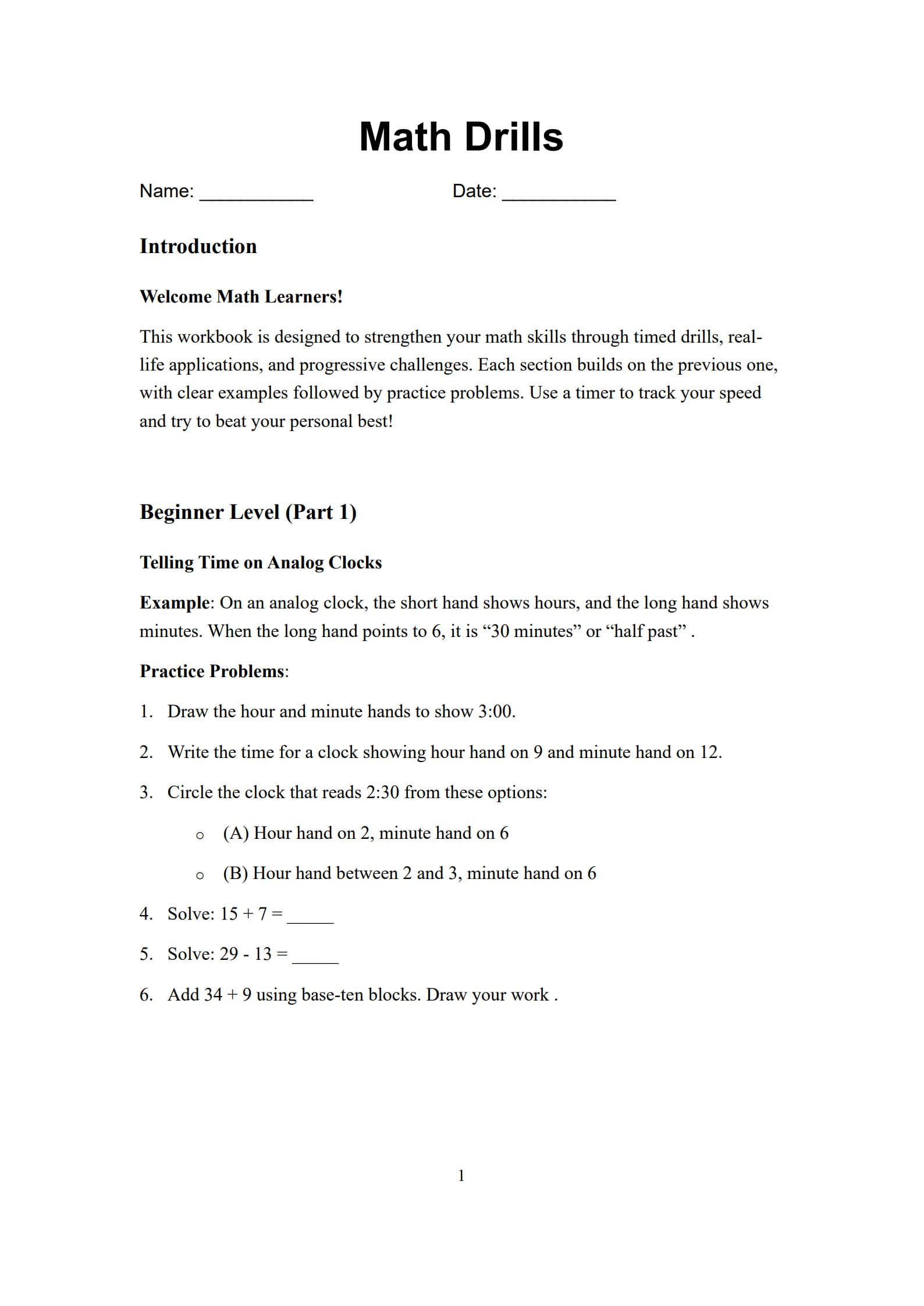
- Diverse Problem Types: Use a mix of problem formats to encourage critical thinking.
- Real-World Applications: Connect drills to real-life scenarios to enhance relevance and understanding.
Tracking Progress and Adjusting Difficulty
Monitoring student progress is crucial for effective drill work. Consider these tips:
- Regular Assessments: Conduct periodic tests to evaluate understanding and retention of concepts.
- Differentiated Instruction: Adjust the difficulty of drills based on individual student performance, ensuring challenges are appropriate.
Motivating Students
To engage students positively with drill work, implement the following strategies:
- Incentives: Offer rewards for completing drills or achieving milestones.
- Create a Positive Environment: Encourage a growth mindset by celebrating effort and improvement rather than just accuracy.
The long-term benefits of consistent practice through drill work include increased mathematical confidence and competence. By reinforcing concepts through varied exercises, educators, tutors, and parents can significantly enhance students’ mathematical skills.