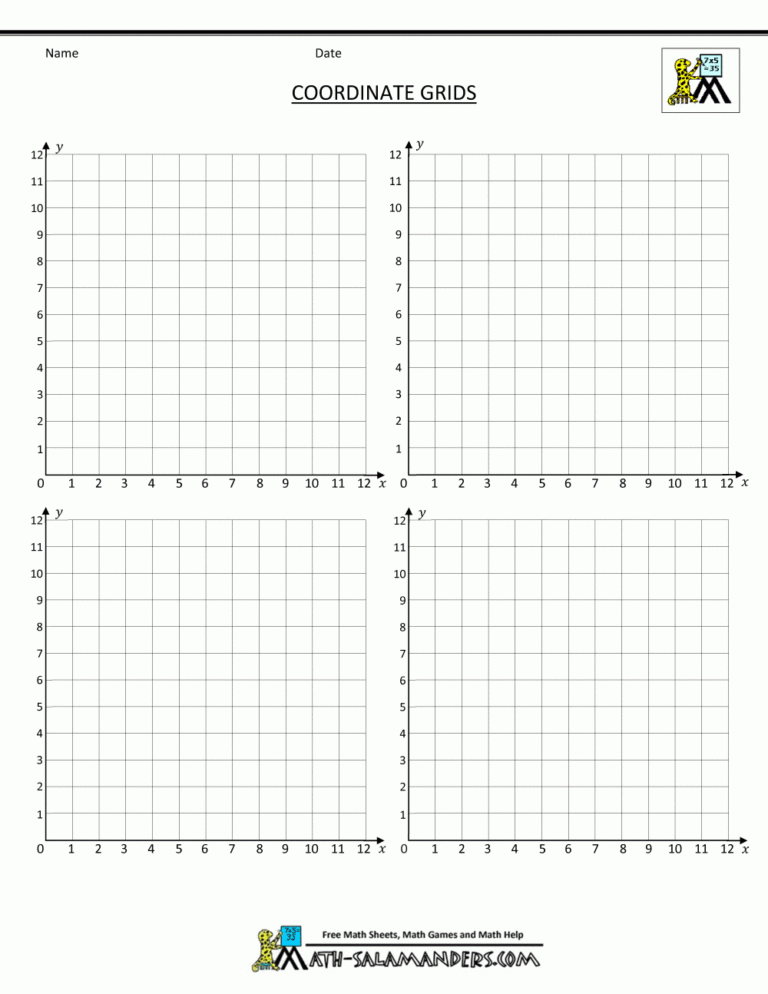
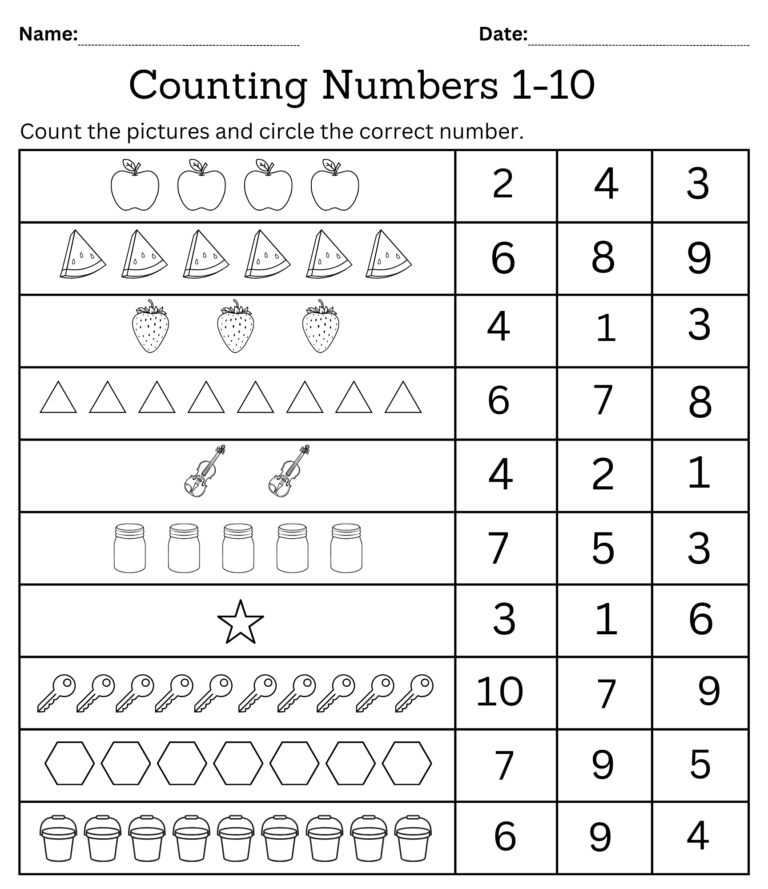
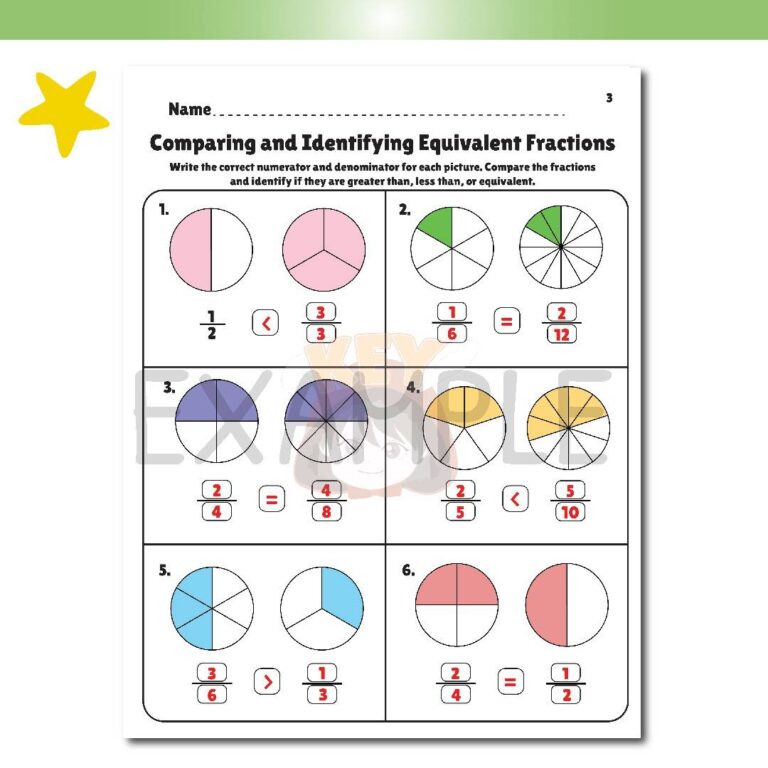
Example Of Drill In Lesson Plan In Math
Drills are structured practice exercises designed to reinforce specific skills and concepts in math education. They play a crucial role in helping students achieve fluency and confidence in mathematical operations. By repeatedly practicing these skills, students can solidify their understanding and improve their performance in more complex mathematical tasks.
Importance of Drills in Math Education
Drills are essential for several reasons:
- Reinforcement: They help reinforce previously learned concepts.
- Fluency: Regular practice leads to increased speed and accuracy.
- Confidence: Mastery of basic skills boosts student confidence.
Examples of Math Drills
Addition Drills
Objective: To improve speed and accuracy in addition.
- Timed addition worksheets (e.g., 20 problems in 5 minutes).
- Interactive online addition games (e.g., Math Playground).
Subtraction Drills
Objective: To enhance subtraction skills.
- Flashcards with subtraction problems for quick recall.
- Subtraction bingo games to engage students.
Multiplication Drills
Objective: To achieve mastery of multiplication facts.
- Multiplication tables practice sheets.
- Online quizzes that adapt to student performance levels.
Division Drills
Objective: To develop division skills and understanding.
- Division word problems for real-world application.
- Group activities involving division games (e.g., division relay races).
Formats for Drills
Drills can be implemented in various formats to cater to different learning styles:
- Written Exercises: Worksheets and quizzes that provide structured practice.
- Interactive Games: Digital platforms that make learning engaging.
- Oral Quizzes: Quick-fire questions to assess understanding in real-time.
Integrating Drills into Lesson Plans
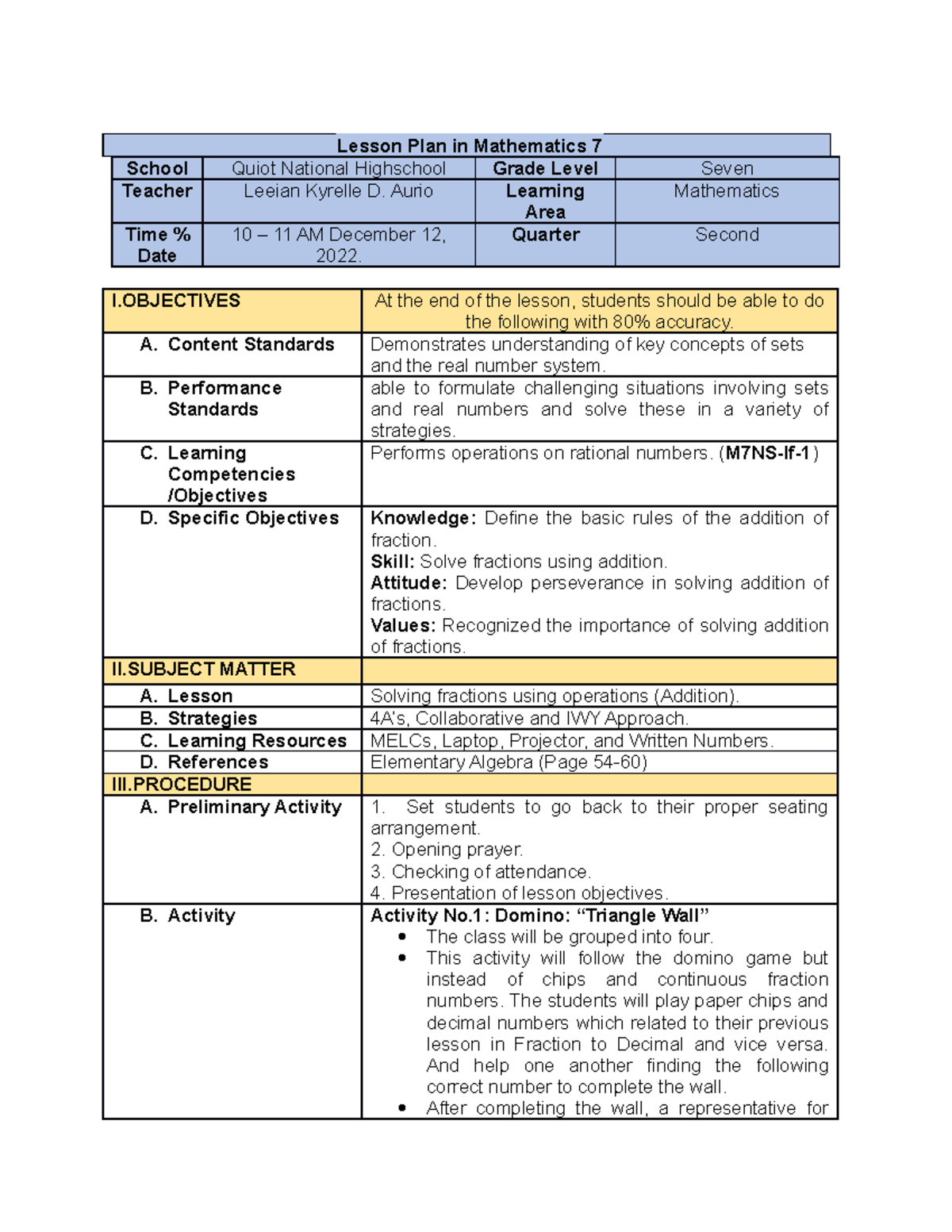
Create a Lesson Plan with Drills
- Select Learning Objectives: Define what students should achieve (e.g., mastering addition facts).
- Materials Needed: List all resources (worksheets, flashcards, technology).
- Timing: Allocate time for each drill activity within the lesson.
- Assessment Methods: Decide how to evaluate student progress (quizzes, observations).
Differentiating Drills for Diverse Learners
Differentiation is key to meeting the needs of all students. Consider the following strategies:
- Varied Difficulty Levels: Provide drills at varying levels of complexity.
- Pacing Options: Allow students to work at their own pace, especially for struggling learners.
- Use of Technology: Incorporate apps that adapt to individual skill levels.
The Benefits of Using Drills in Math Instruction
The use of drills in math instruction offers numerous benefits, including:
- Improved Engagement: Interactive drills keep students motivated and involved.
- Mastery of Concepts: Repeated practice leads to a deeper understanding of mathematical principles.
- Cognitive Development: Regular drills enhance critical thinking and problem-solving skills.
In conclusion, incorporating drills into math education is a powerful strategy for reinforcing essential skills. By utilizing various formats and differentiating instruction, educators can create effective lesson plans that cater to diverse learning needs while enhancing student engagement and mastery of mathematical concepts.